

By: G. Ray Gompf, CD
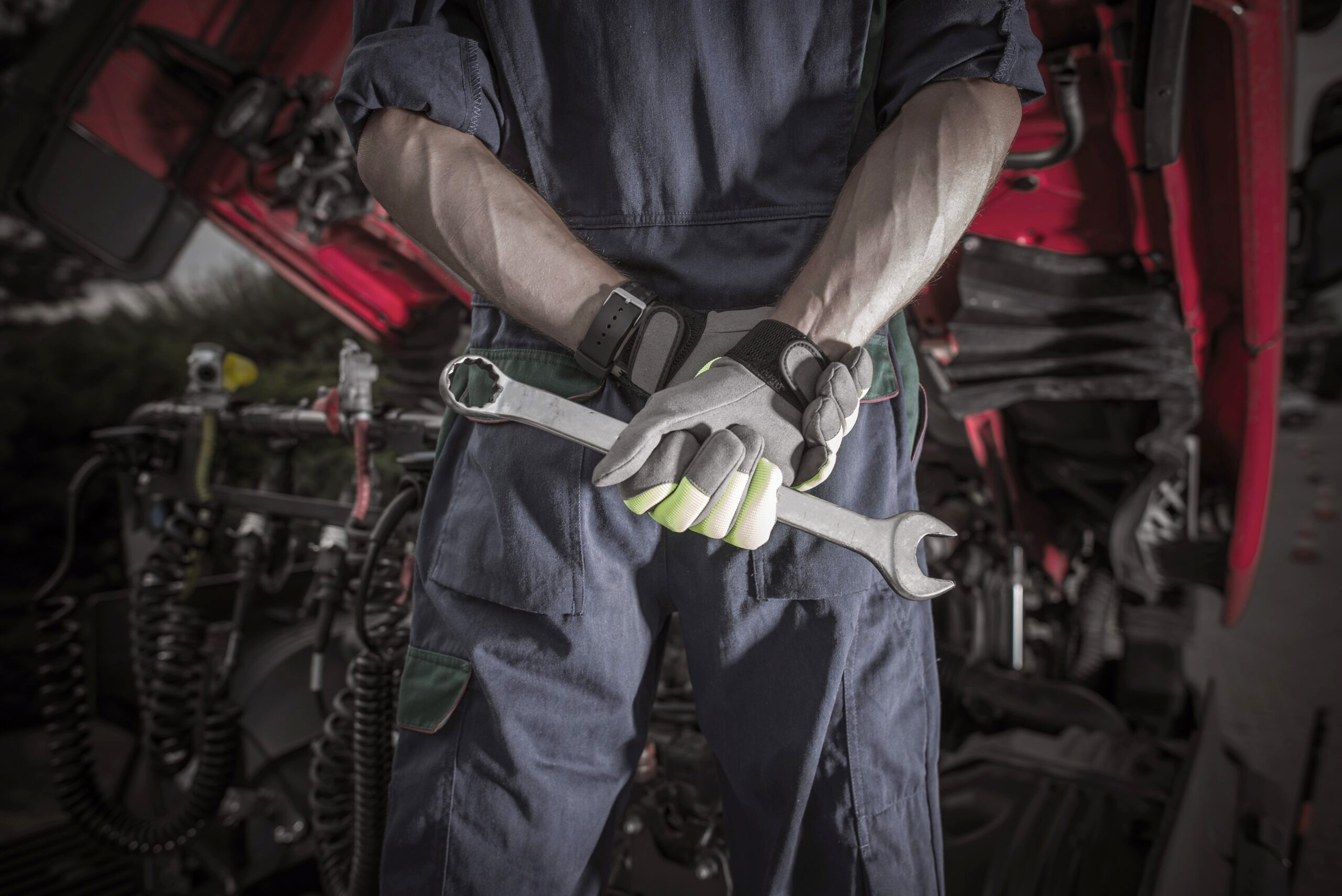
For your company or single truck, don’t forget maintenance. It’s equally as important as fuel, and perhaps more important than insurance. It is the life blood that keeps your truck, or any equipment, alive and healthy.
Those aren’t just powerful, provocative words. Without a solid maintenance program, you could be killed.
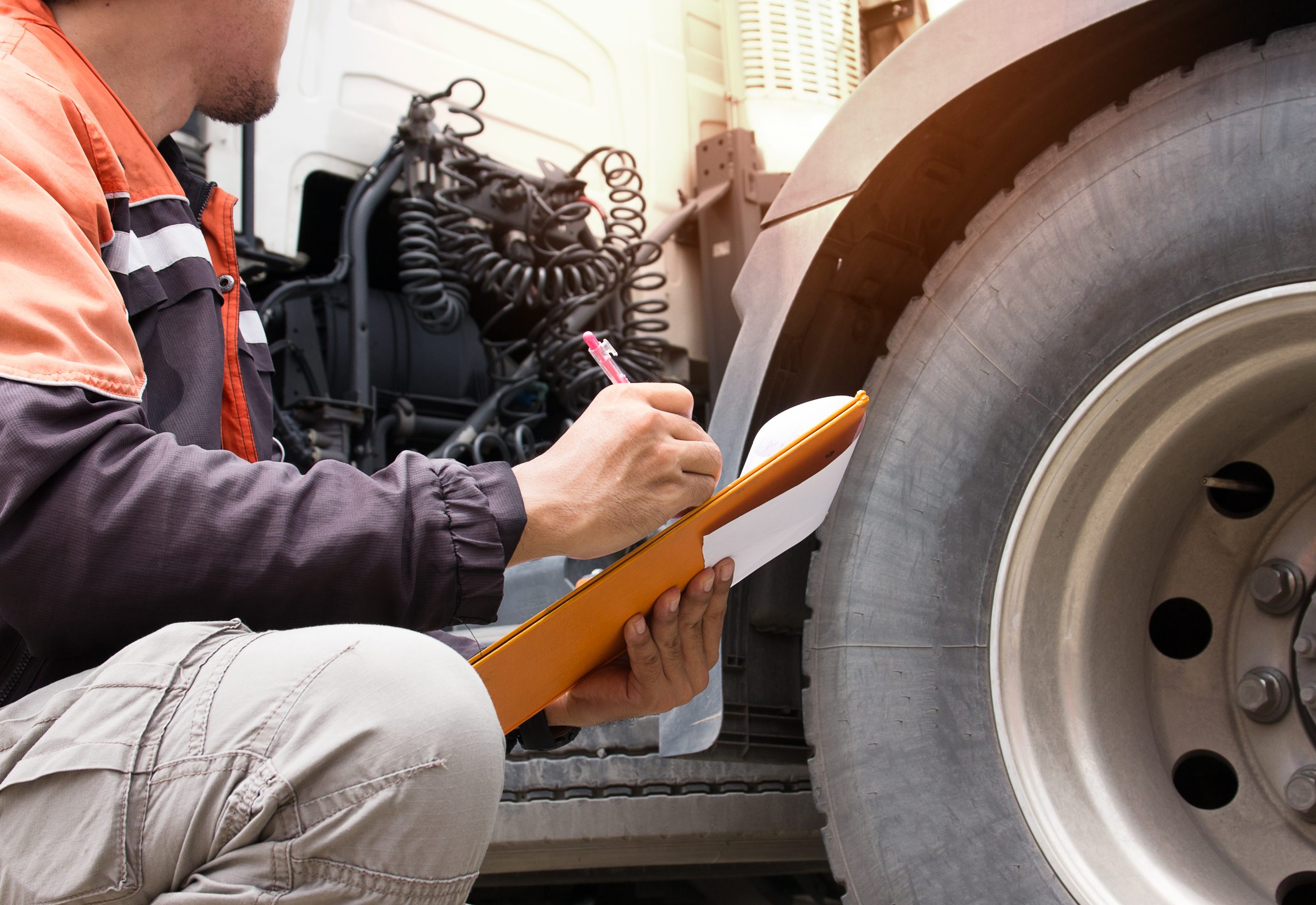
The multi-daily inspection on each vehicle by each driver isn’t just a legal requirement, it’s for the peace of mind for that driver. And should that driver also be the owner, it’s to continue in the business that provides all what you aspire.
Regular maintenance includes checking the main items, engine oil, fluids, belts, hoses, and electrical connections. But, too often, the really important things, like tires, suspension, and wheel attachment are overlooked or given but a cursory glance.
When you see the oil level down a bit, you don’t wait until the dipstick is dry before you add a little. Then why would you try to get another day out of a suspension leaf when you see a crack? Why would you risk another minute when you see a rub mark on an air suspension bag? Why would you risk a blowout on a steering tire that’s worn to the point of a cord being visible? In fact, why would you wait for so long to seek out a wheel alignment and not cause that steer tire to wear unevenly? Why does that wobble in the steering wheel not give you concern? Why did you not hear audible air leakage and fix it before you were pulled into the scale and became a statistic as a result of a level one inspection? These are all maintenance questions you should be asking yourself every day.
Of course, let’s not ever forget about brakes. A truck shouldn’t need to apply more than four or five pounds of brake application to stop. Drivers need to watch that brake application gauge and have brakes properly adjusted; and just because the truck has automatic slack adjusters doesn’t mean brakes are adjusted properly. In Ontario, brake adjustment is not allowed by a mere driver and must be done by qualified professionals. Sadly, other provinces require drivers to be competent in adjusting brakes.
Factually, all of the above-mentioned issues are a glowing red sign that says your maintenance program is totally insufficient.
The driver is only one set of eyes that should be able to offer some diagnostic information, but it’s the highly skilled mechanic that should be aware of situations about to arise with every vehicle and mitigate any problem with any vehicle for which he or she is responsible to ensure is roadworthy at all times.
Too often, because the driver is really just the second set of eyes to diagnose issues, the driver isn’t the trained eyes of the mechanic. So, the smart companies have their trucks inspected on a regular schedule by the trained eyes rather than simply relying on the drivers who are not as well trained.

Yes, in some very small operations the driver and the mechanic are one and the same. On the road, while wearing the driver’s hat, he or she does the driver inspections, but they’re also looking for those wear points that may dictate how their weekend is going to be spent. Larger companies will have the luxury of having the jobs of truck driver and mechanic being separate individuals with different job descriptions.
Too many drivers are afraid to make notations on their daily inspection sheet for fear that if something goes wrong and something untoward happens during their shift, that they will be “blamed” for whatever situation happens. The point of the daily inspection is to ensure maintenance information gets to the hands of whomever needs to correct the issue. That’s also the reason there’s a list of critical issues that would prevent the vehicle from being used until the critical issue is fixed.
Like the supply chain, the maintenance chain has many links and many different people sharing responsibility. The driver is not alone in this chain but is one of the critical points of diagnosis. Make sure your drivers are trained well.