

By: Jag Dhatt
I’ve had the privilege of owning three Honda Preludes in my yesteryears…. a gorgeous black 1991 SE; a bold, red 1992 with 4WS, and a white 2000 Type SH. All three were great driving machines, each with their own personality. My favourite – the 1991 SE, the last year of the 3rd generation. To me, it was just the best of the bunch; and a little brother to the infamous NSX.
And now, after 25 years, Honda has brought back the Prelude. The announcement created quite a buzz amongst those of us who owned the Prelude; would it compare to the driving feel of the previous generations; would it pay homage to its predecessors; and most important, will the new Prelude be one we’d buy again? I had the opportunity to drive the new 2026 Honda Prelude and my feelings about the car are mixed. Why do you ask?
Well, let’s start by saying that the new Prelude is a good car. In fact, it’s a very good car in many ways. But when you bring back a nameplate that carries so much history and emotional attachment, expectations are naturally going to be high. And that’s where things get a little complicated.
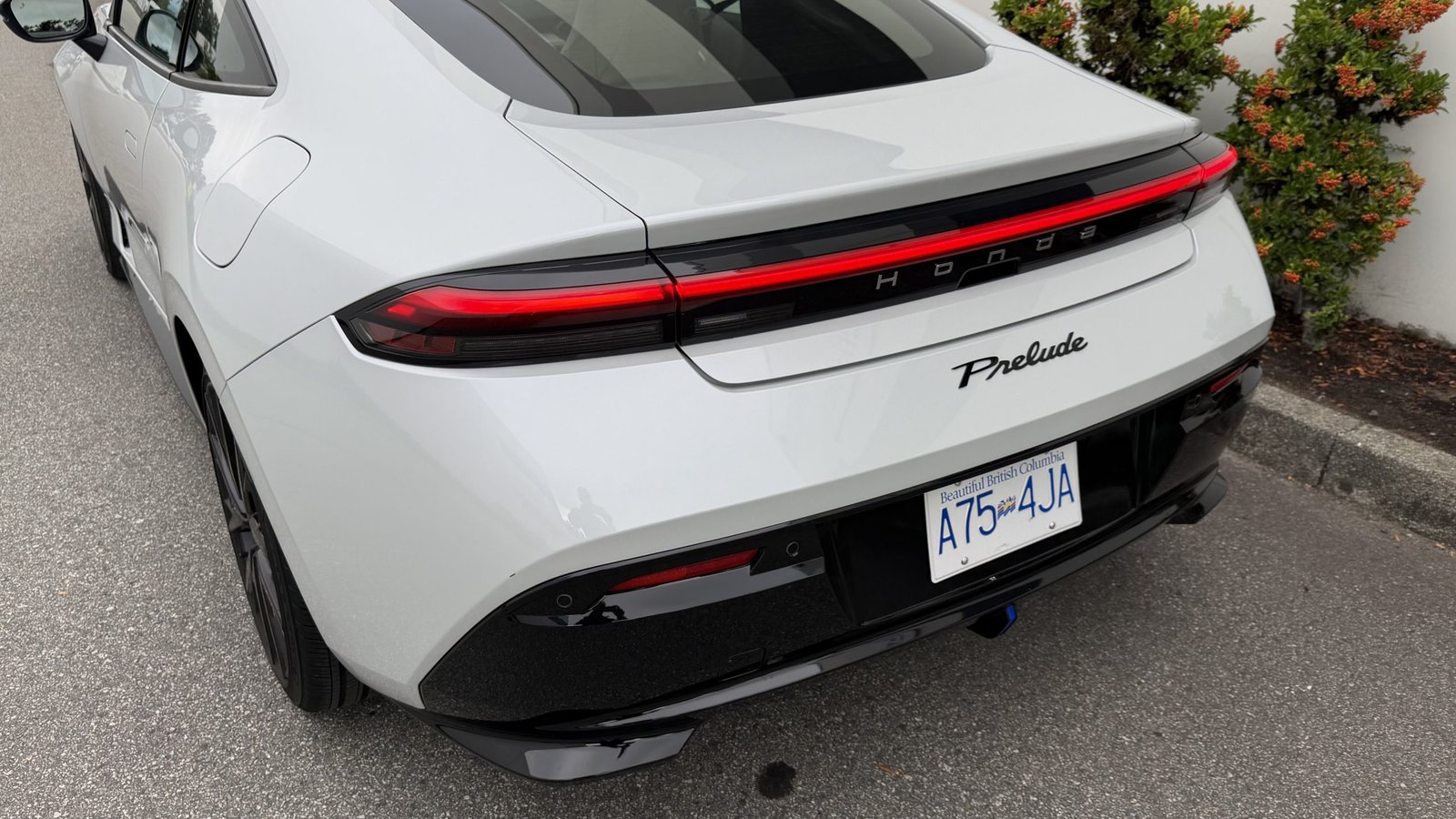
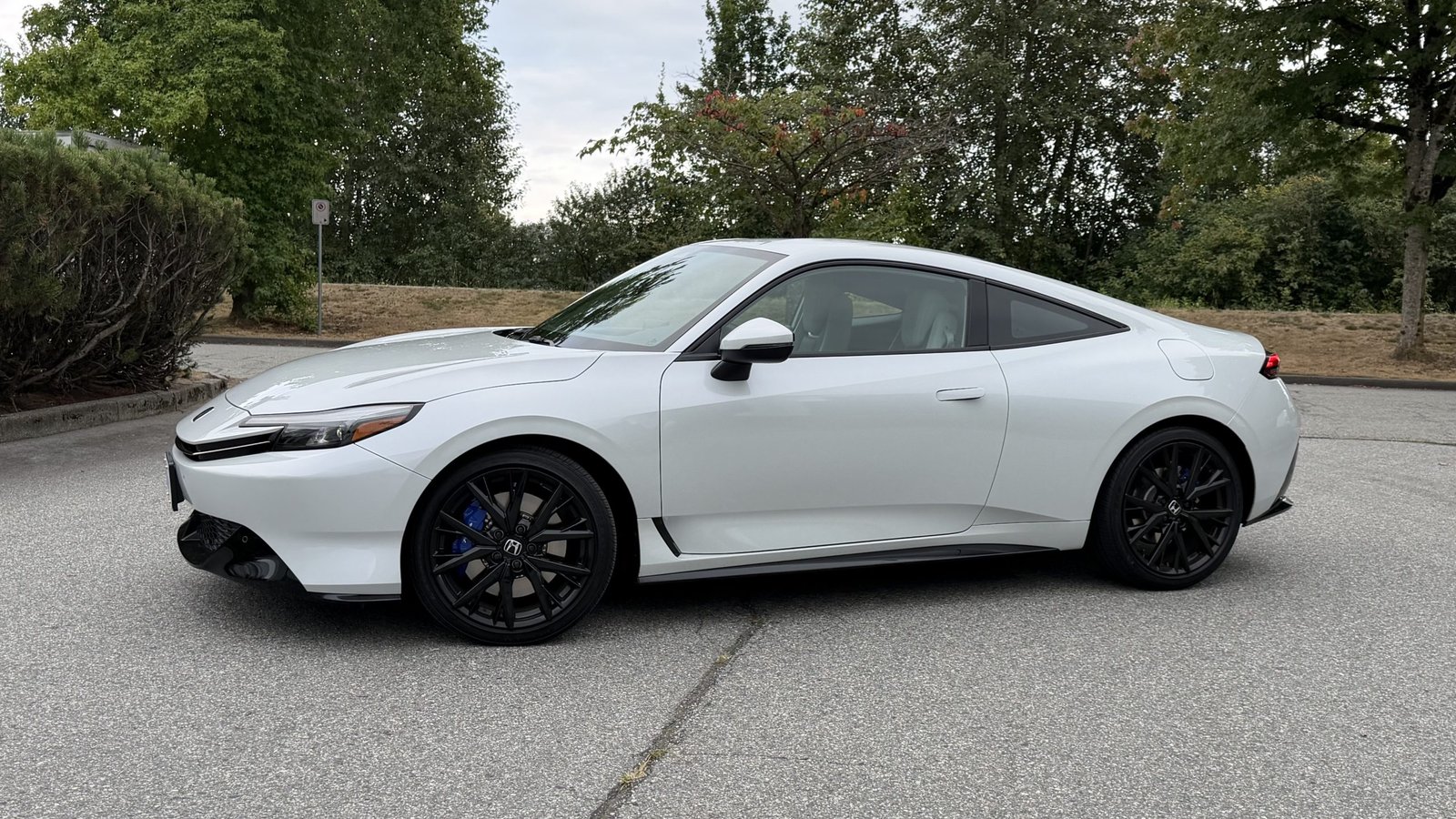
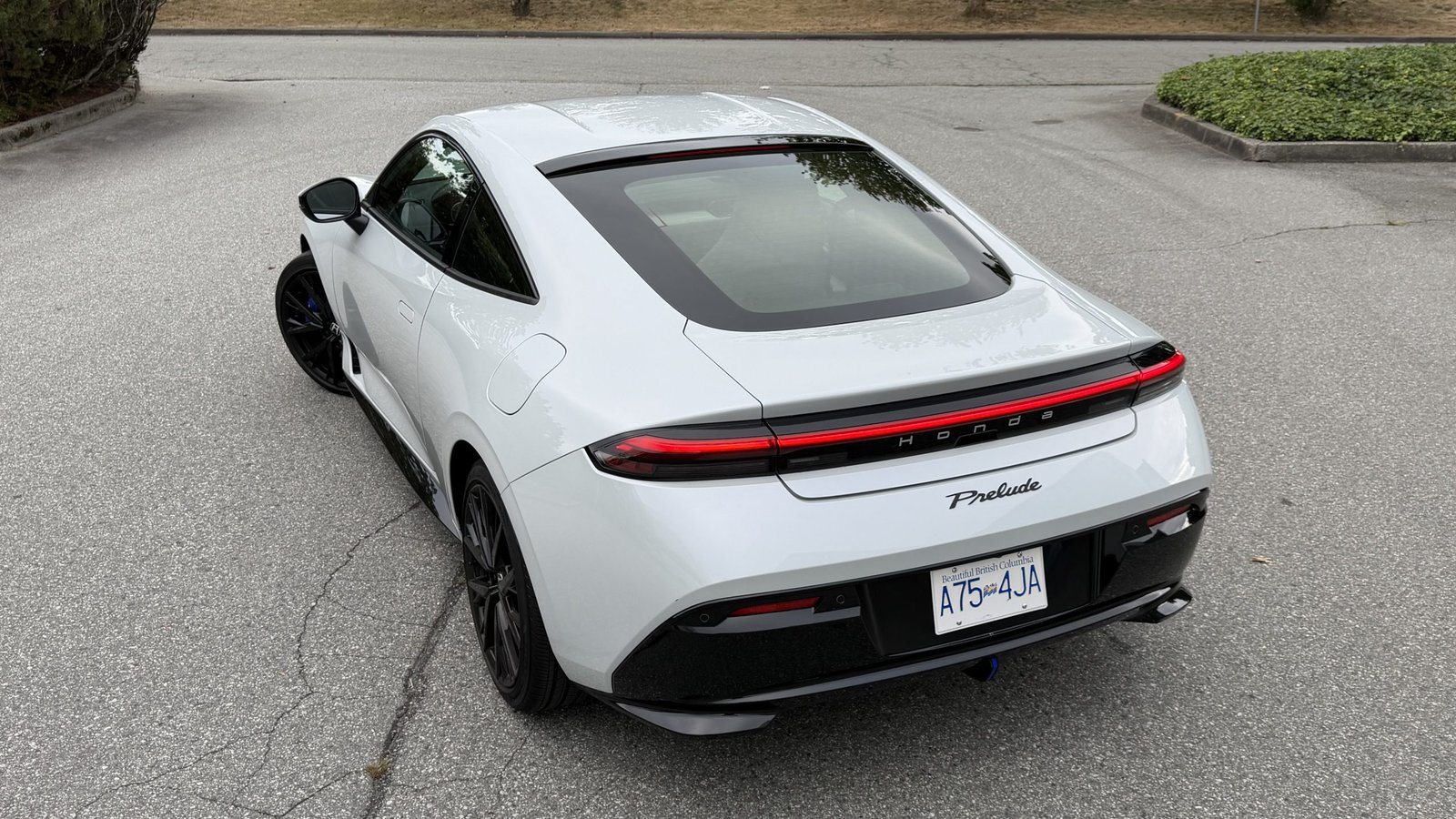
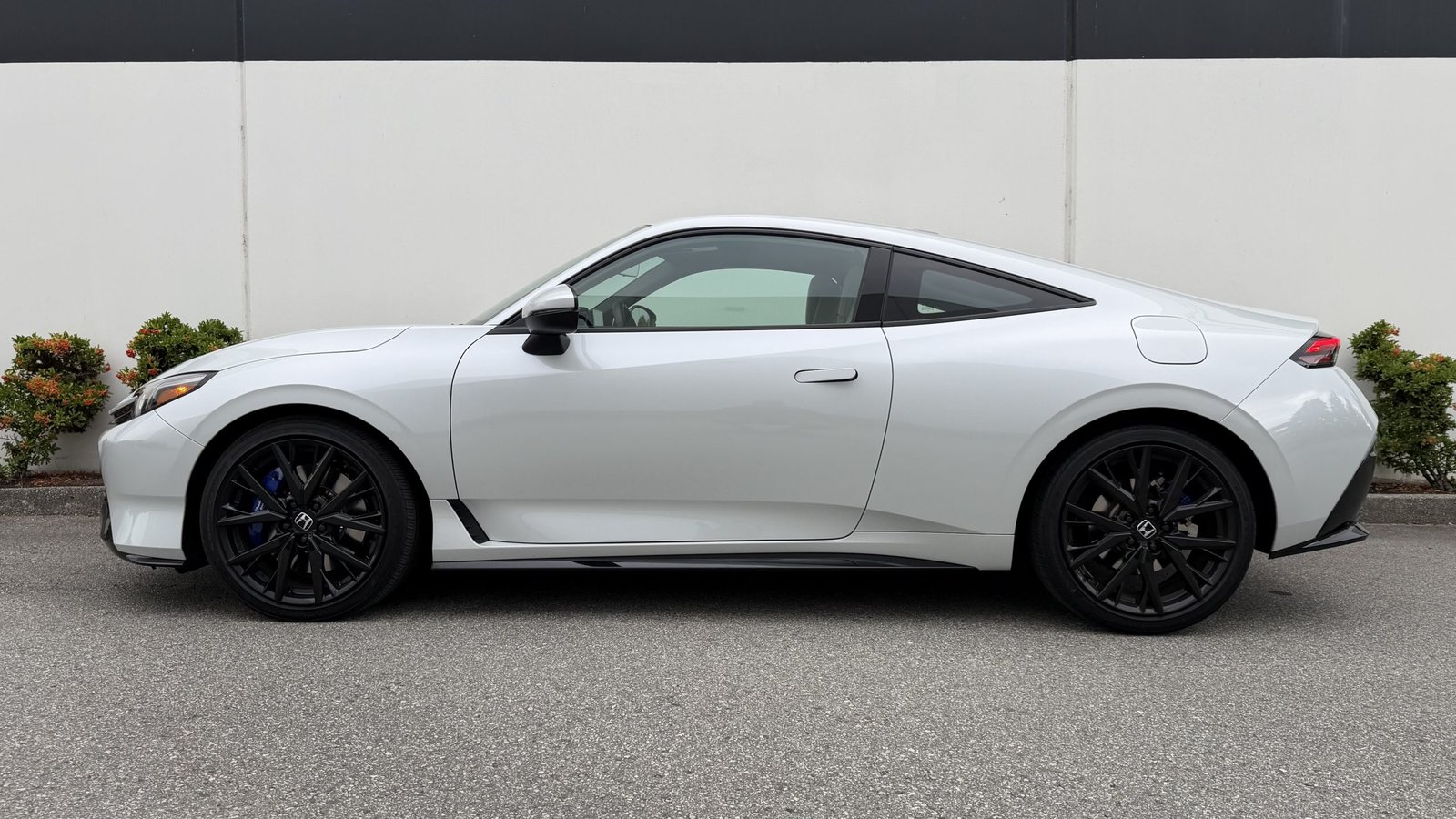
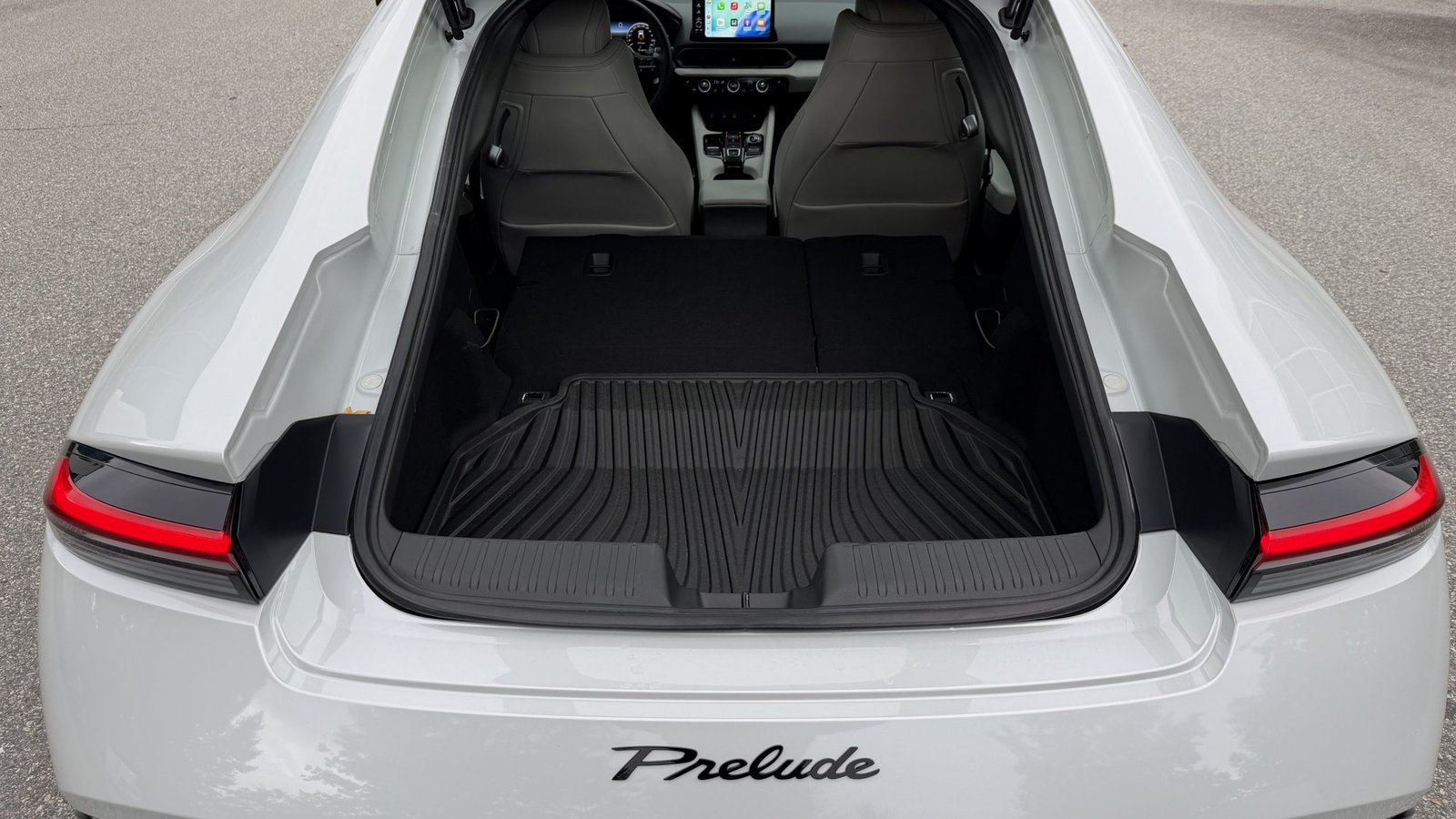
First impressions of the new Prelude are definitely positive. Honda has done a great job designing this car; it has a sleek, low profile, a sloping roofline and a wide stance that give it the appearance of a proper sports coupe. The front end is modern and aggressive without being overdone, while the rear features a full-width taillight design that gives the car a distinctive look, almost Porsche-ish. The 19-inch alloy wheels and blue Brembo brake calipers add a nice sporty touch. Overall, the car looks sophisticated and modern.
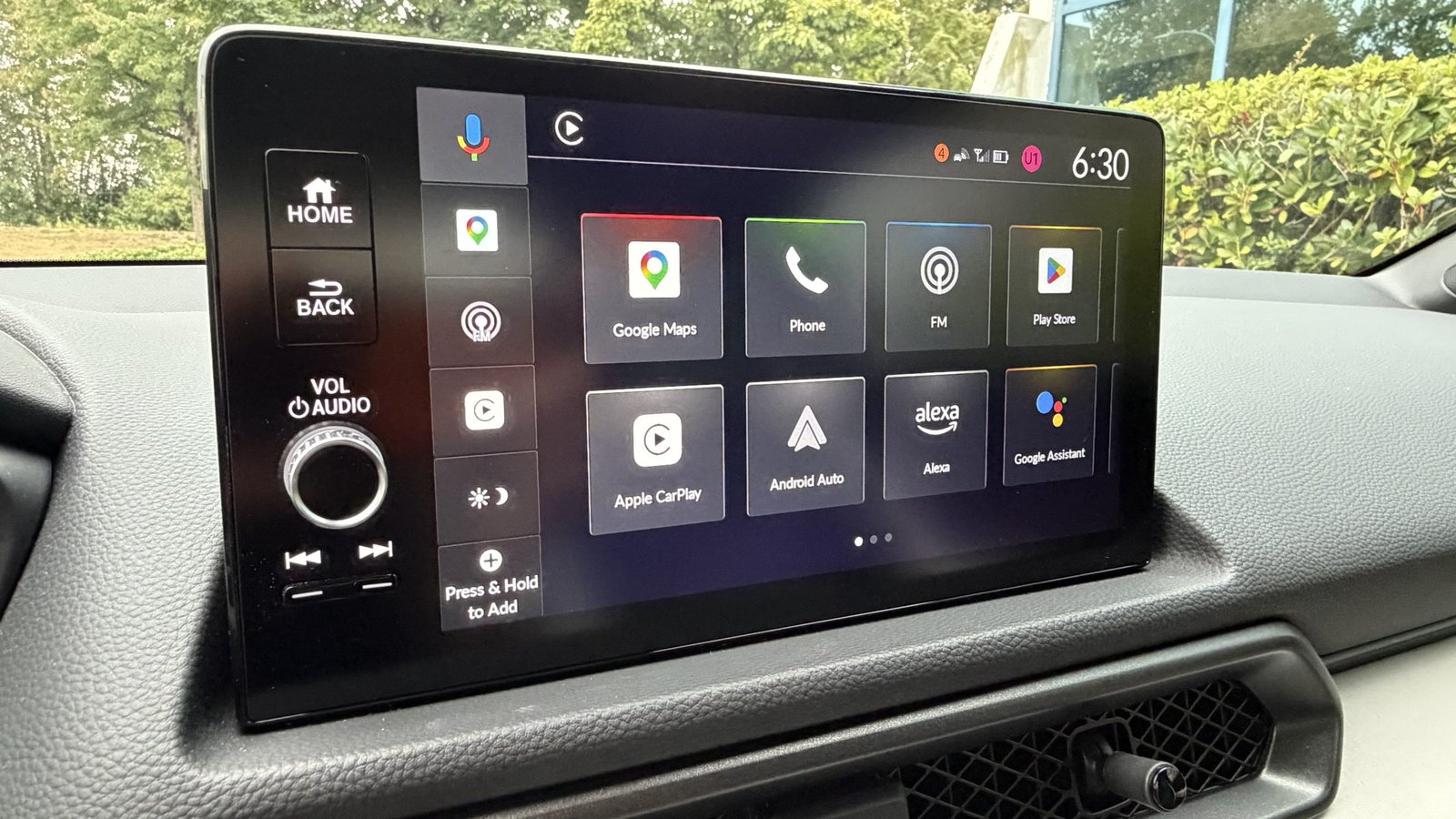
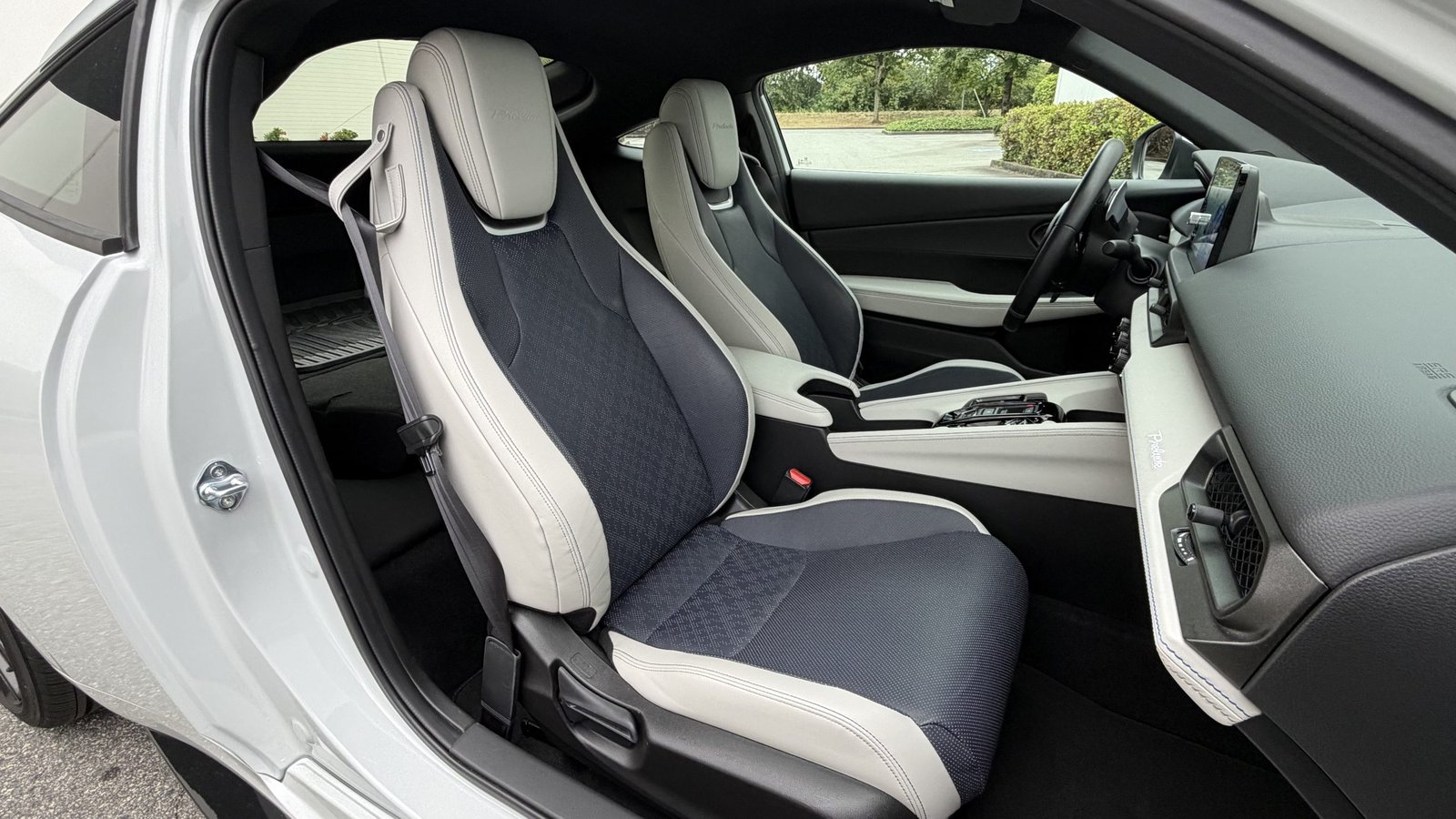
The interior is a nice place to spend time. The front sport seats are comfortable and supportive, with an attractive houndstooth-inspired pattern that adds some character. The dashboard is modern and straightforward, featuring a 10.2-inch digital instrument display and a 9-inch touchscreen with Google built-in.
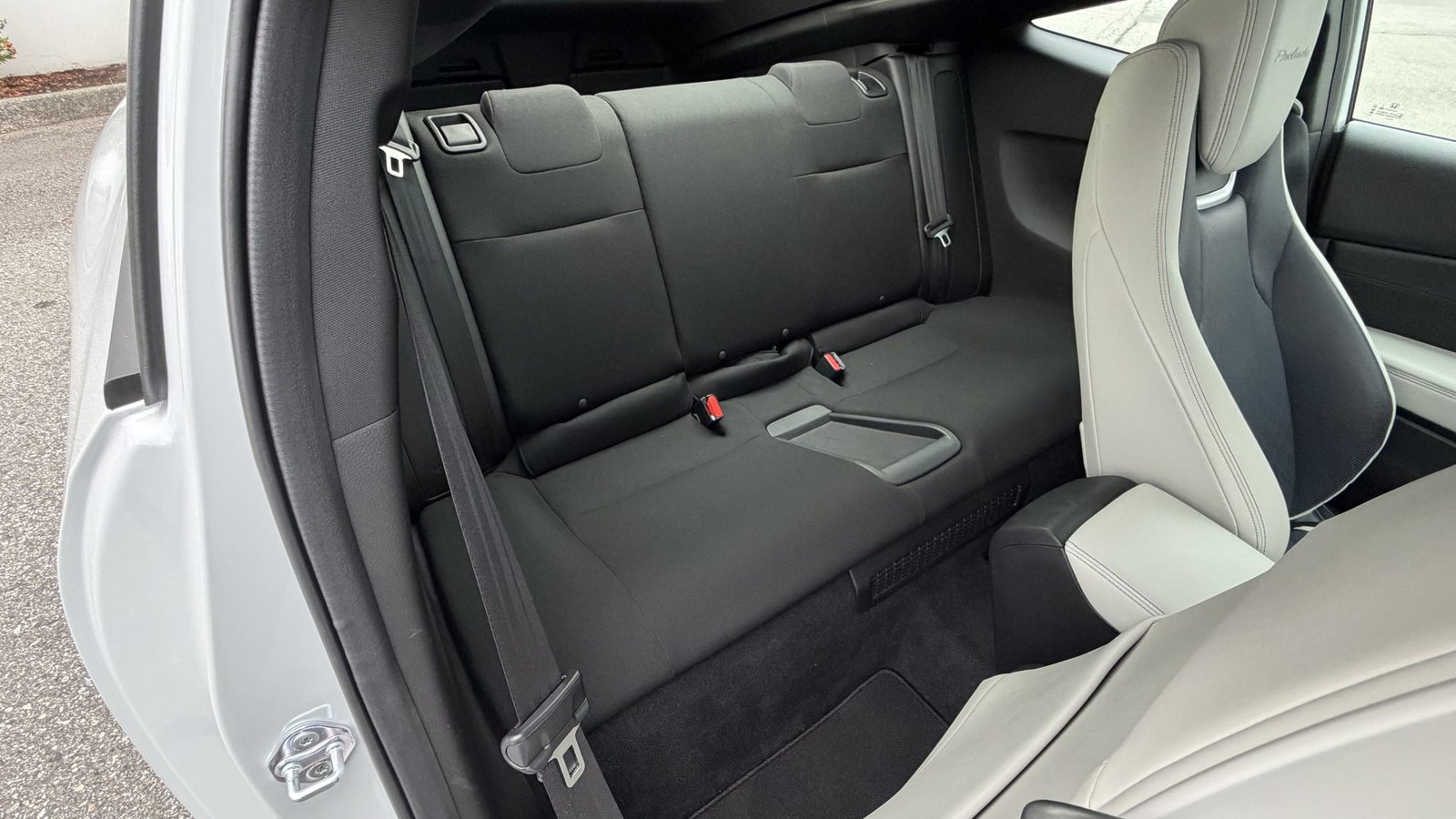
Honda has also included wireless Apple CarPlay and Android Auto, a Bose audio system, wireless charging and plenty of safety technology. The cabin feels well put together, and the driving position is appropriately sporty. The Prelude is technically a 2+2, although the two rear seats are better suited for occasional passengers or extra storage than full-sized adults.
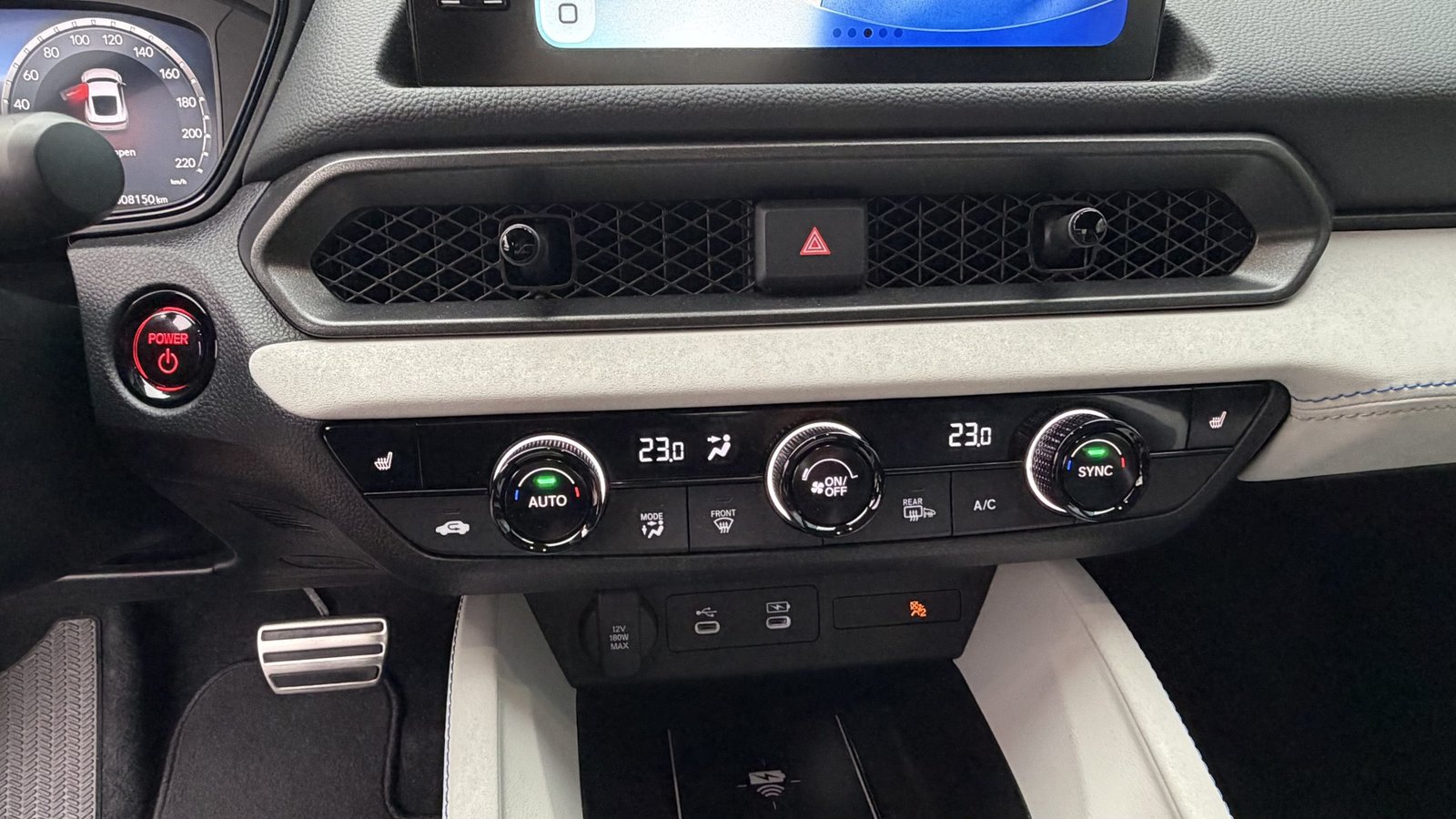
Under the hood is where things get interesting. Unlike its predecessors, the new Prelude doesn’t come with a traditional performance-oriented gasoline engine. Instead, Honda has equipped it with a 2.0-litre four-cylinder engine paired with two electric motors. The combined output is 200 horsepower and 232 lb-ft of torque, with power sent to the front wheels through Honda’s hybrid system.
With the Prelude, there is no conventional transmission or manual option. Instead, Honda has introduced its S+ Shift system, which simulates gear changes and engine sounds through the vehicle’s electronics. This concept is designed to give drivers some of the excitement of a traditional sports car while enjoying the efficiency of a hybrid. However, for someone who grew up driving the older Preludes, I would have loved to see a proper manual transmission option.
So how does the new Prelude drive? After all, the Prelude was always known as a driver’s car.
The good news is that Honda hasn’t forgotten how to build a car that handles. The new Prelude borrows important hardware from the Civic Type R, including its dual-axis front suspension, adaptive dampers and Brembo front brakes. The suspension has been retuned to provide a more comfortable Grand Touring experience.
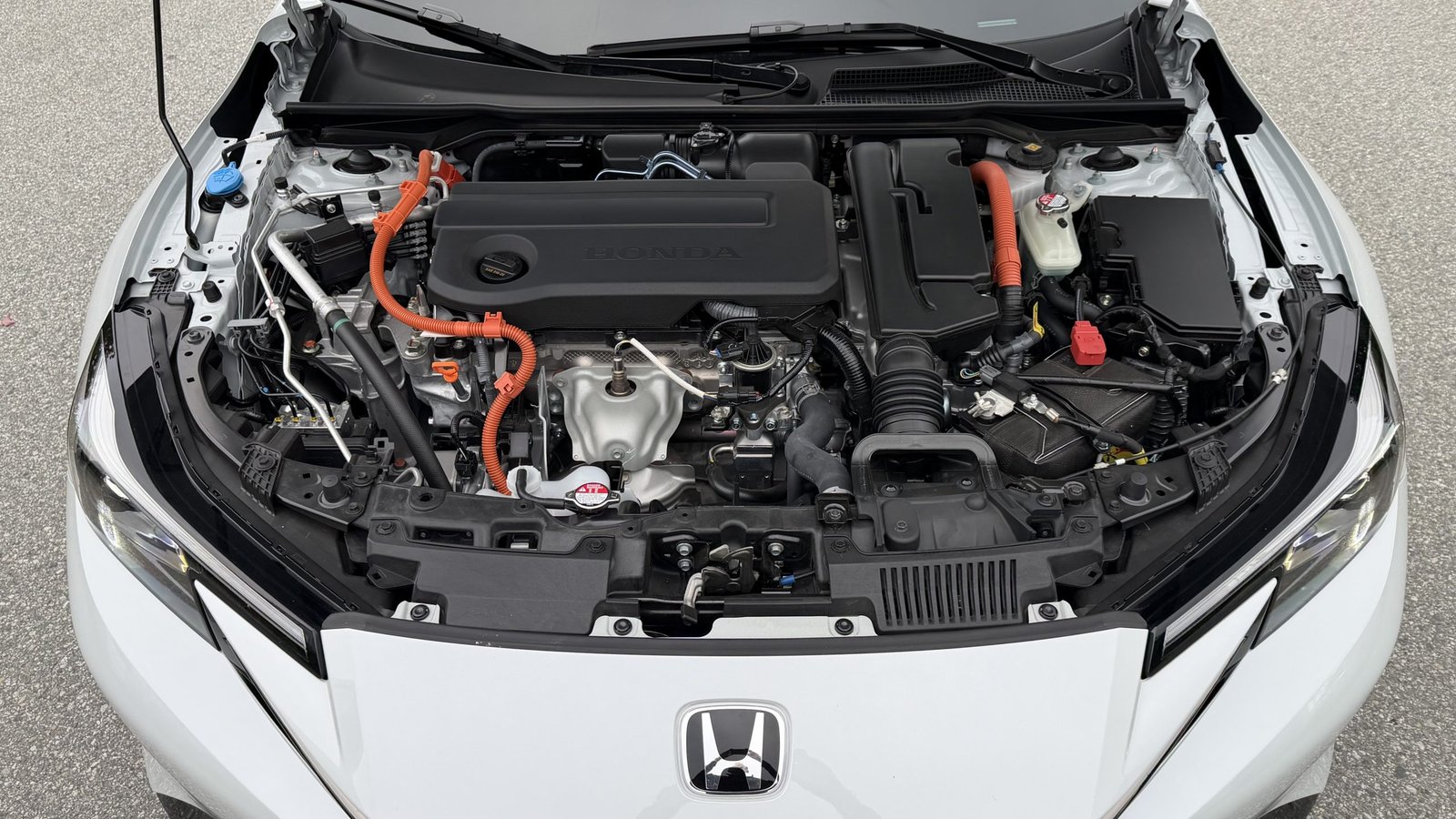
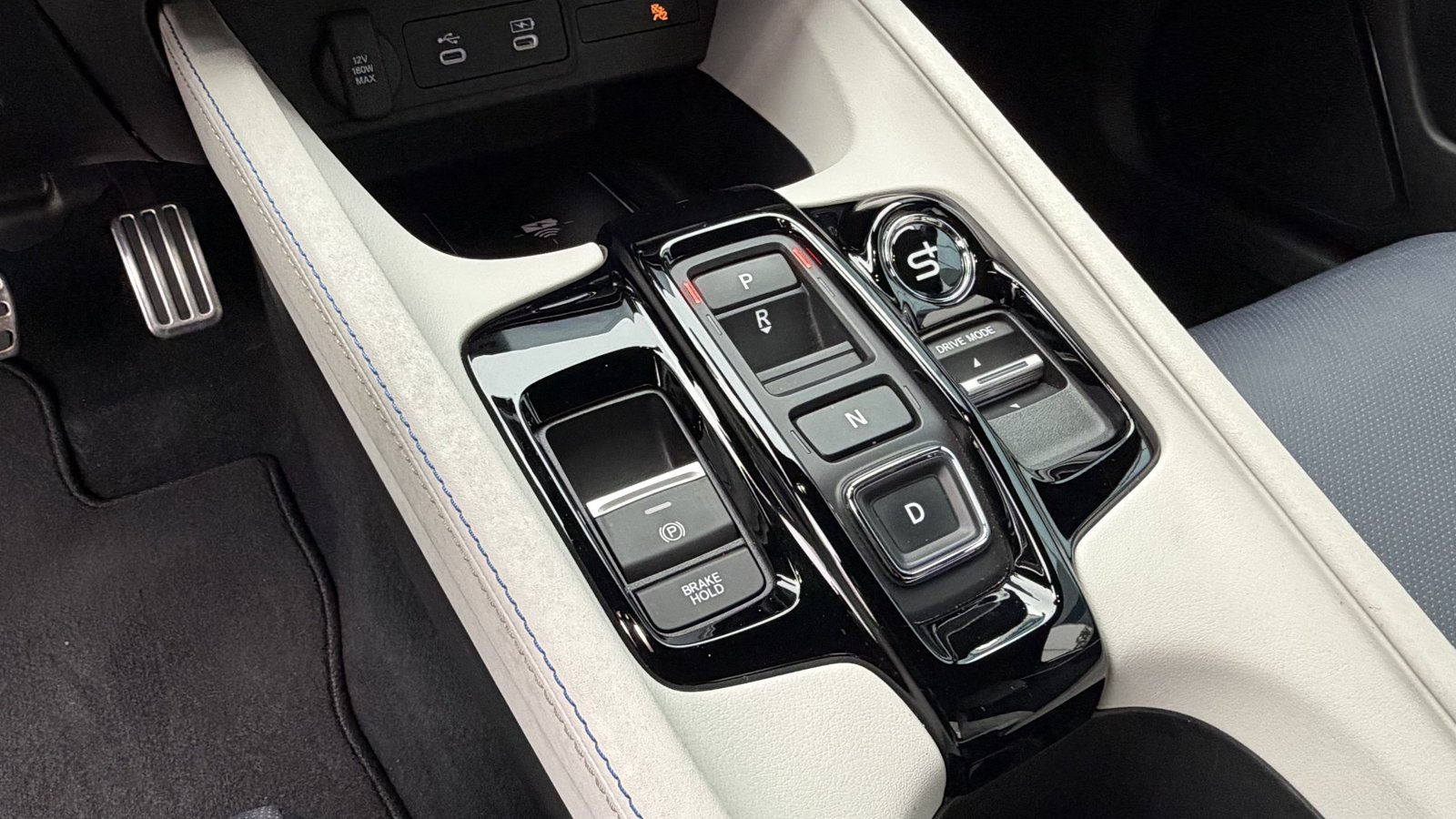
On the road, the Prelude feels composed, predictable and nicely balanced. Steering is precise, cornering is confident and the suspension does a good job of keeping the car planted. It’s not overly harsh, either, making it comfortable for everyday driving. The hybrid powertrain delivers smooth, immediate response, particularly around town, where the electric motors provide plenty of low-speed punch.
That being said, don’t expect the kind of performance its exterior styling might suggest. With 200 horsepower, the Prelude isn’t slow, but it doesn’t deliver the excitement or urgency you may expect. The S+ Shift system adds some fun, but for me, it doesn’t completely replace the feeling of a real transmission changing gears.
And this brings me to something potential buyers should seriously consider. The 2026 Prelude starts at approximately $49,990 in Canada, while the Civic Type R is priced only a few thousand dollars higher. For that additional money, the Type R gives you a turbocharged 2.0-litre engine producing 315 horsepower, 310 lb-ft of torque and a six-speed manual transmission.
Yes, the Type R is a four-door hatchback rather than a sleek two-door coupe, and it doesn’t offer the Prelude’s hybrid efficiency. But when it comes to driving excitement and performance for the money, I think the Type R makes a very compelling argument. If outright driving enjoyment is what you’re after, I’d have a hard time choosing the Prelude over it.
So, where does all this leave the new Prelude? I think Honda has built a car that will appeal to a new generation of buyers: those looking for something stylish, comfortable, fuel-efficient and a little different from the usual Civic.
But what about those of us who remember the older cars? Personally, I didn’t feel the same connection. The previous Preludes had a certain personality, a mechanical feel and an identity that made them special. They were sporty, technologically interesting for their time and genuinely fun to drive. The new one is more refined, more efficient and certainly more modern. It just doesn’t give me that same feeling.
But maybe that’s exactly what Honda intended. This isn’t necessarily a car designed to win back every previous Prelude owner. It’s a new interpretation of an old name for a different generation of drivers.
I like the new Prelude. I like how it looks, appreciate its technology, and think Honda has done a respectable job blending hybrid efficiency with sporty handling. It’s a good car, but at nearly $50,000, I think it needs a little more performance to justify its price.
Would I buy one? Having owned three of the older generations, I really wanted to say yes. Unfortunately, my answer is probably no. I’d be looking very closely at the Civic Type R instead.
But that’s just my opinion. And perhaps the next generation of Prelude owners will feel about this car the same way I felt about my 1991 SE. After all, nostalgia is a funny thing.