

Courtesy: News Canada
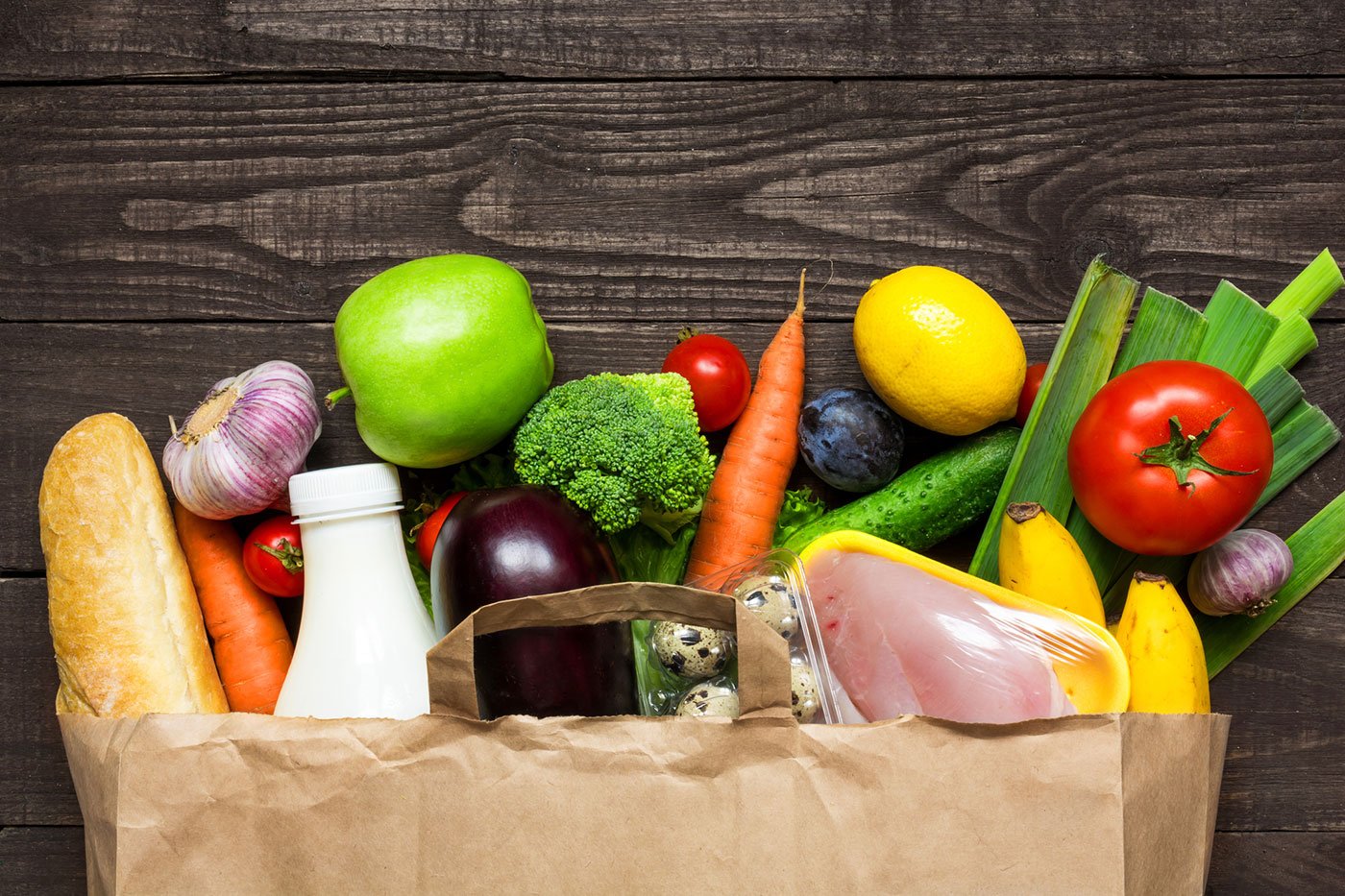
Did you know that without a subsidy, a four-litre jug of milk that costs about $7.50 in southern Canada can cost over $50 in a northern grocery store? For many northern families, higher grocery prices are part of everyday life, and they reflect realities most Canadians never experience.
When Roads Don’t Lead to the Grocery Store
Many northern communities aren’t connected to the rest of Canada by permanent roads. Groceries can’t be delivered by truck or train year-round, like they are in most southern communities.
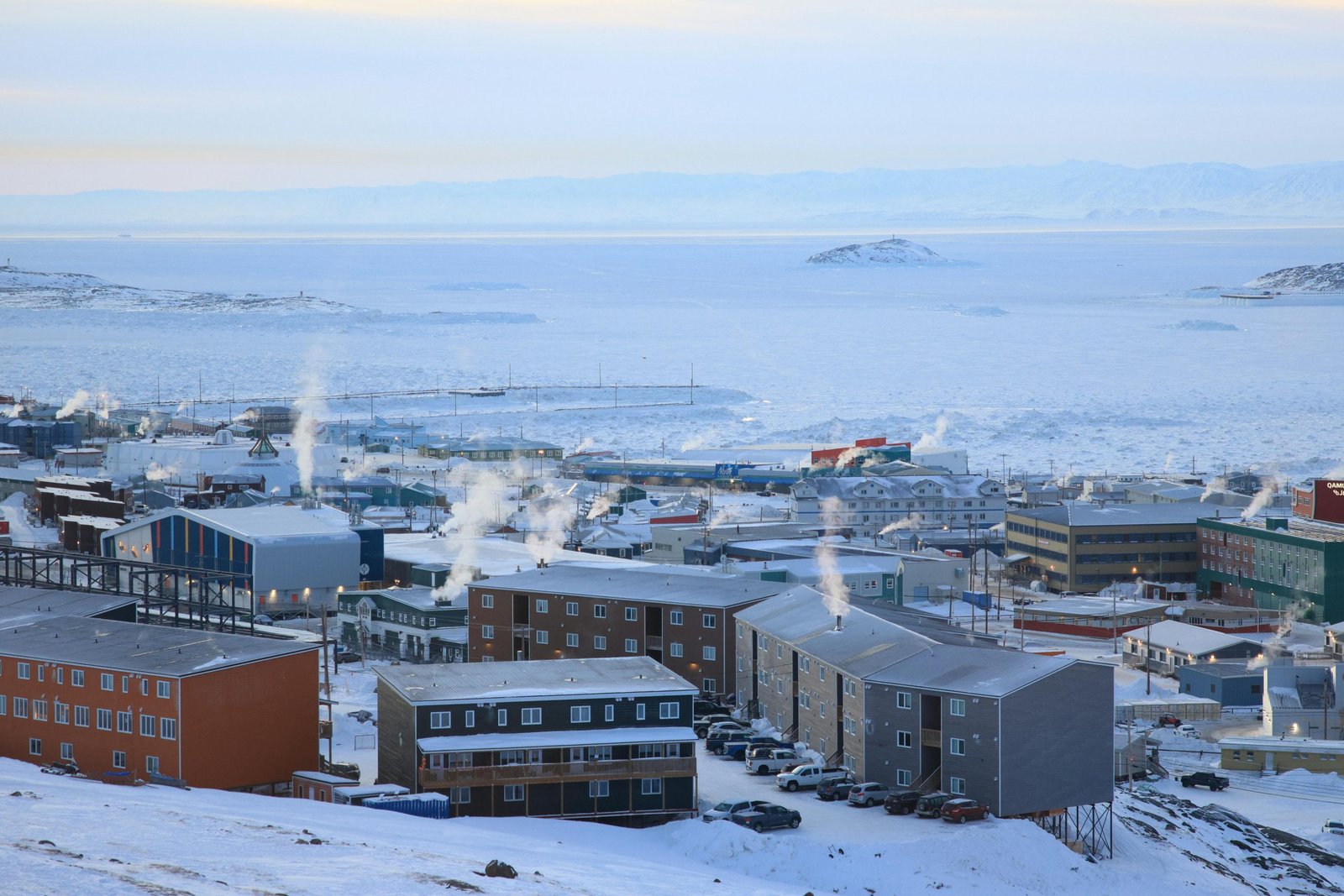
As a result, most food is flown to communities. For some communities with water access, non-perishable food can be delivered by ship during the summer when the ice has melted, and waterways are open. In the winter, non-perishable food can be shipped for short periods by ice roads, which is more affordable than air transport.
Air delivery is essential, especially for fresh food, but it isn’t always reliable. Flights are often delayed or cancelled because of storms, strong winds, poor visibility or extreme cold. When planes can’t land, fresh food doesn’t arrive.
Fewer Options Mean Higher Prices
Transportation challenges are only part of the story. Many northern communities have just one or two grocery stores, with limited competition and smaller customer bases.
The cost of shipping, storing and keeping food fresh, especially fruits and vegetables, is shared across fewer shoppers. As a result, nutritious foods are often the most expensive and the least consistently available.

What Makes Groceries More Affordable
There are supports that help reduce the cost of groceries in the North and improve access to affordable food. One example is Nutrition North Canada, which currently helps 124 isolated northern communities through a retail subsidy.
The highest subsidy is applied to essential foods such as frozen produce, milk, and infant formula. For example, a grocery cart of bagged milk, bananas, eggs and flour that costs $140 before the subsidy can be reduced to $30, saving families $110.
Even with these measures, the cost of living is very high in the North, particularly for people living on fixed or low incomes. Improving food affordability over time depends on continued collaboration between communities, governments and partners to strengthen local food systems and infrastructure.