

By: Jag Dhatt
I’ve said it many times before – I’m a Jeep lover. Having owned YJs, Grand Cherokees, and two Wrangler Rubicons, I’ve hated either selling or giving back every single one after a lease. A lot of people asked why I keep buying Jeeps; yes, the Wranglers are loud, the Grand Cherokee has oil leak issues, etc etc etc. Regardless, I’d still buy another one, maybe now something more refined.
When Jeep launched the Wagoneer and Grand Wagoneer a few years ago, it made an impact, though it struggled to match the sales appeal of mainstays like the Tahoe or Expedition. Now, Jeep has consolidated the lineup strictly into the Grand Wagoneer while introducing some major improvements, leaving open the question of whether these updates are enough to challenge the sales figures of its GM and Ford rivals. And with the 2026 Grand Wagoneer, I’d say Jeep is on the hunt.
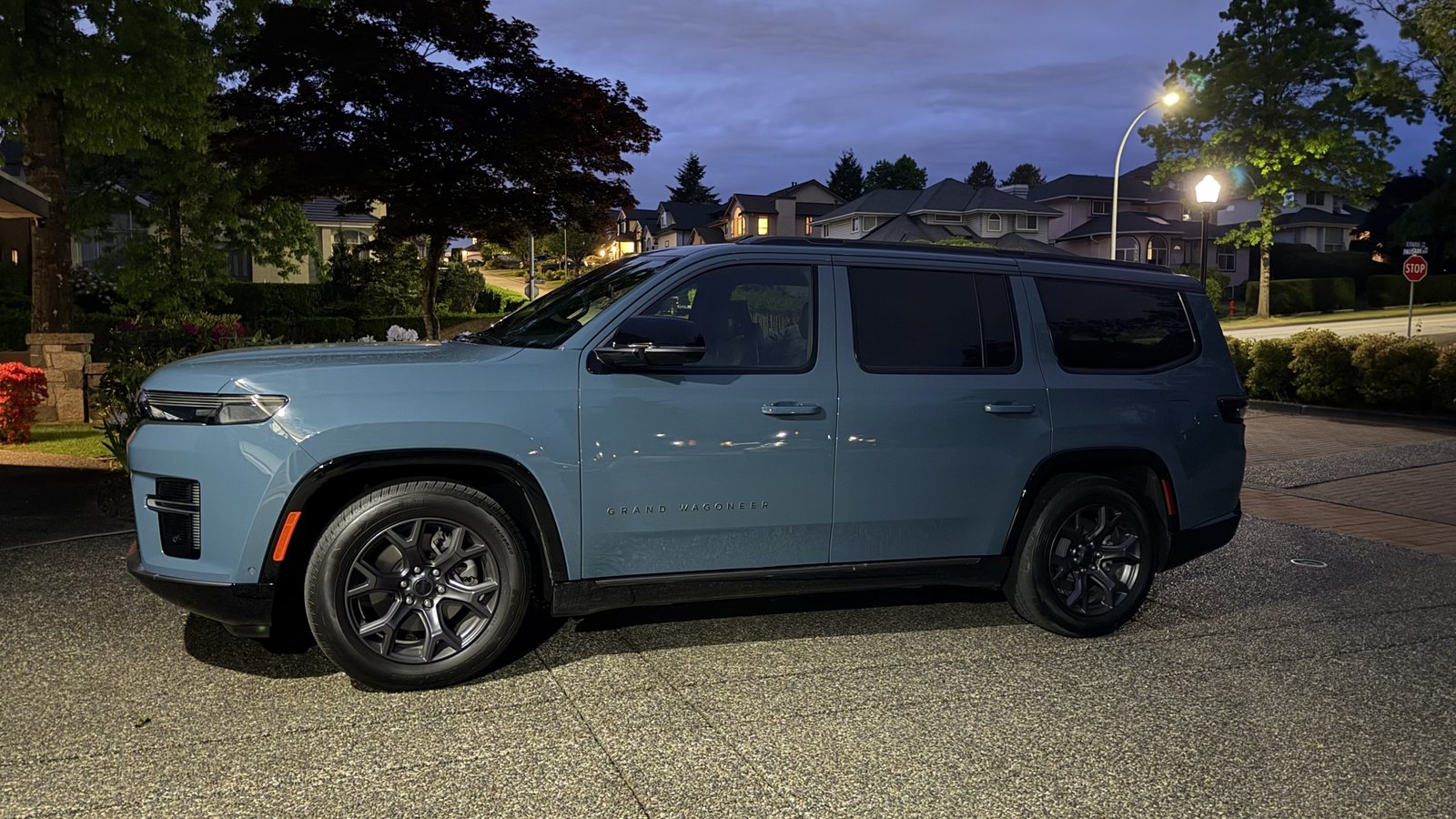
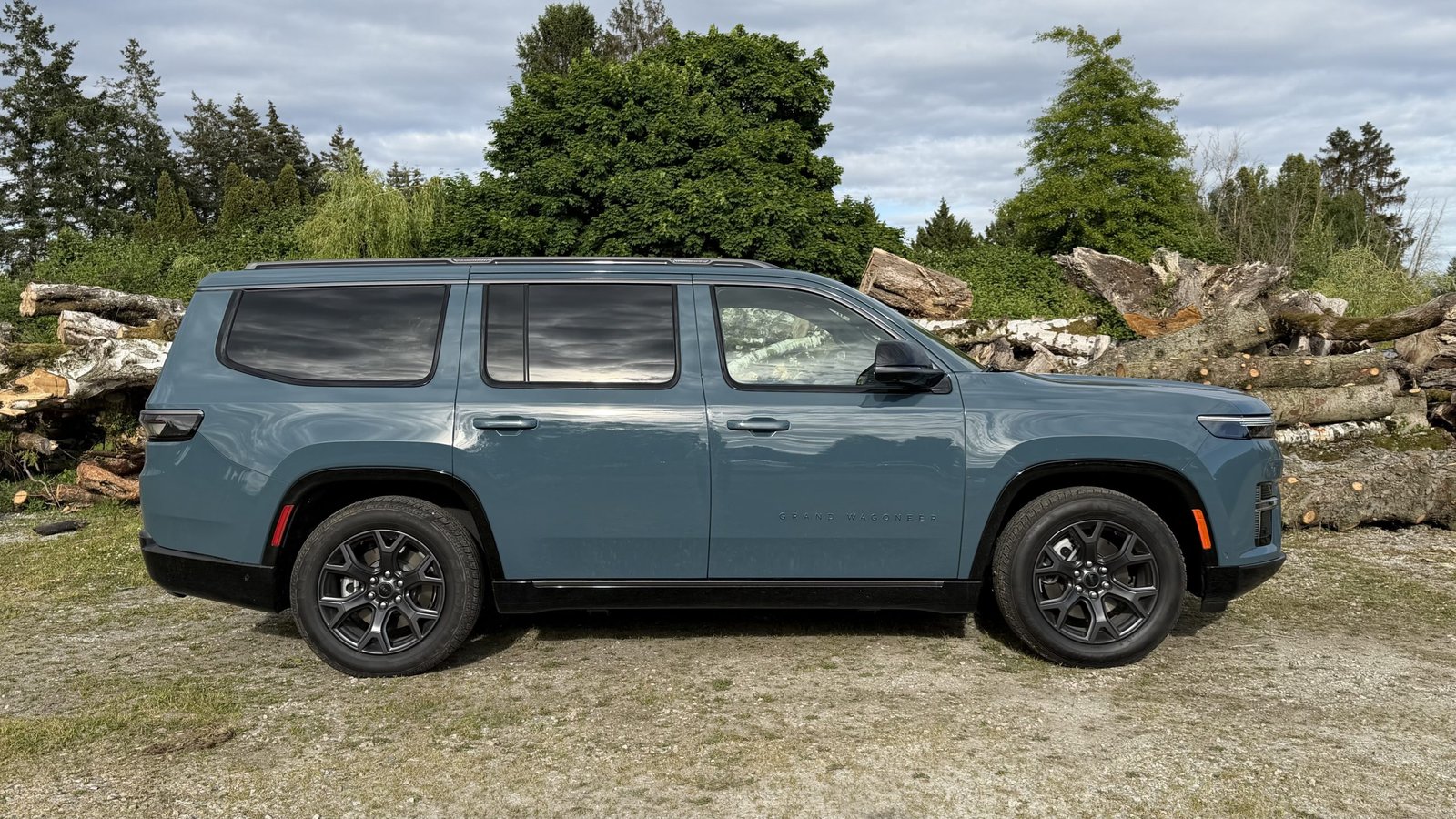
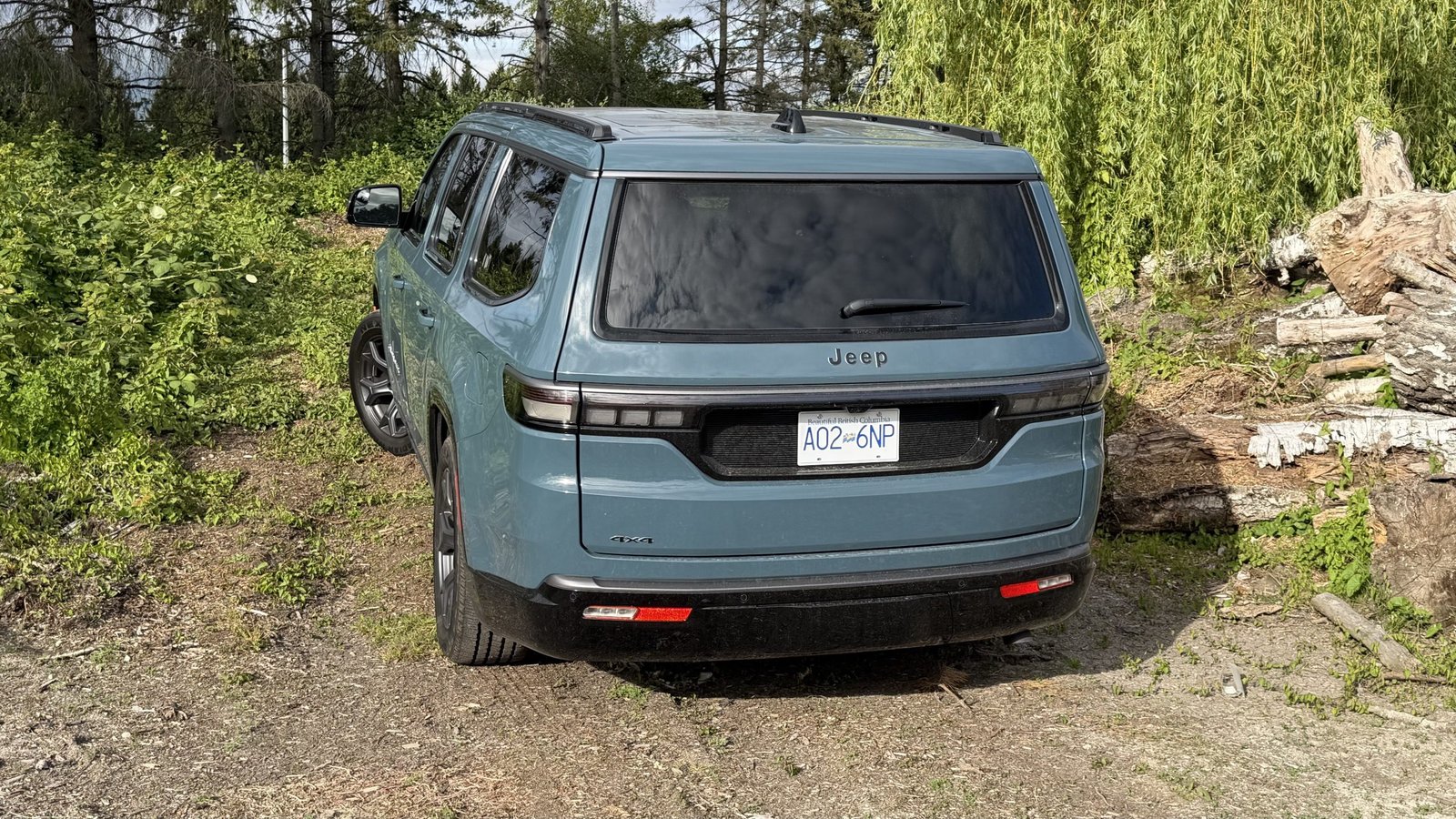
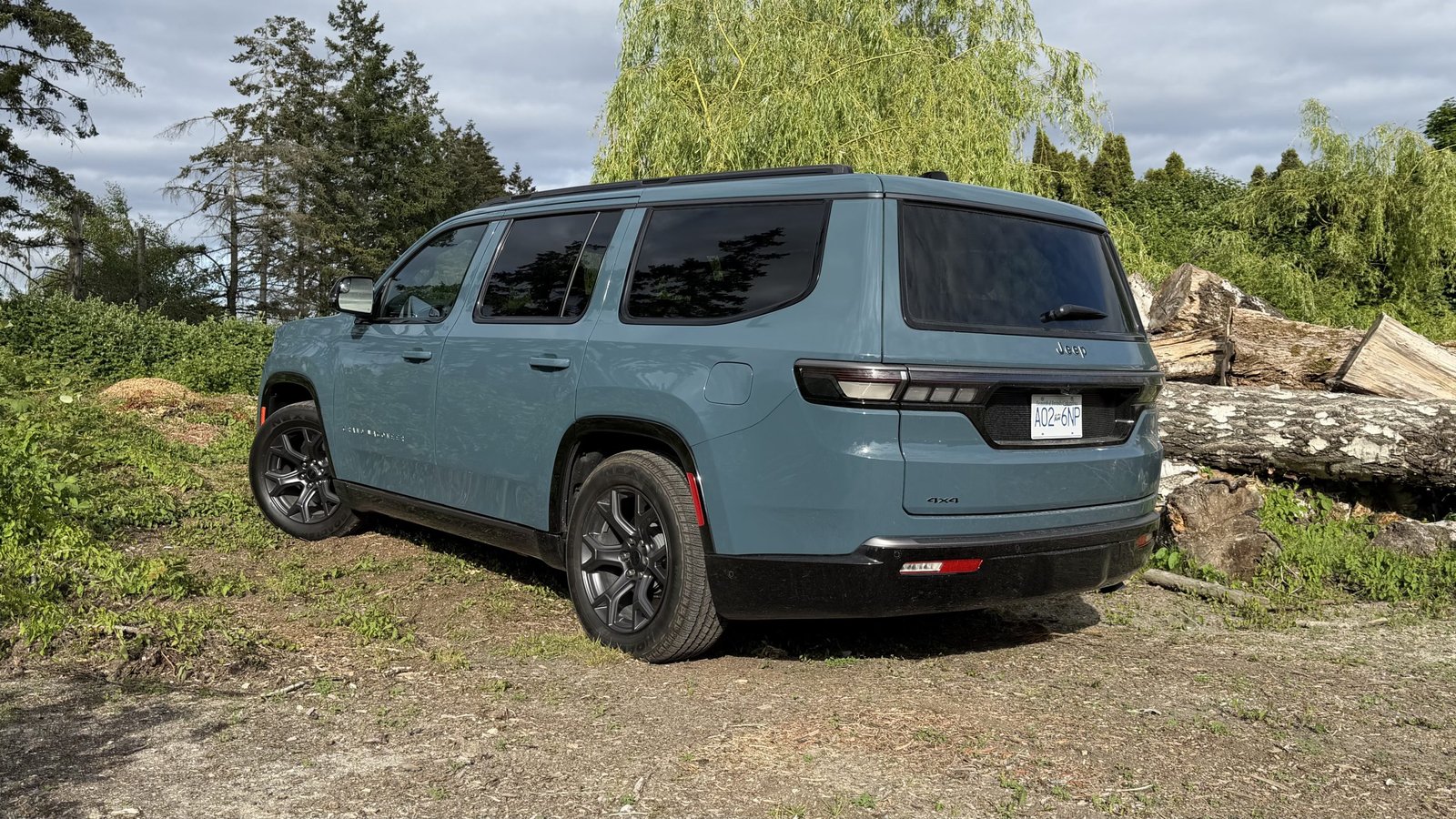
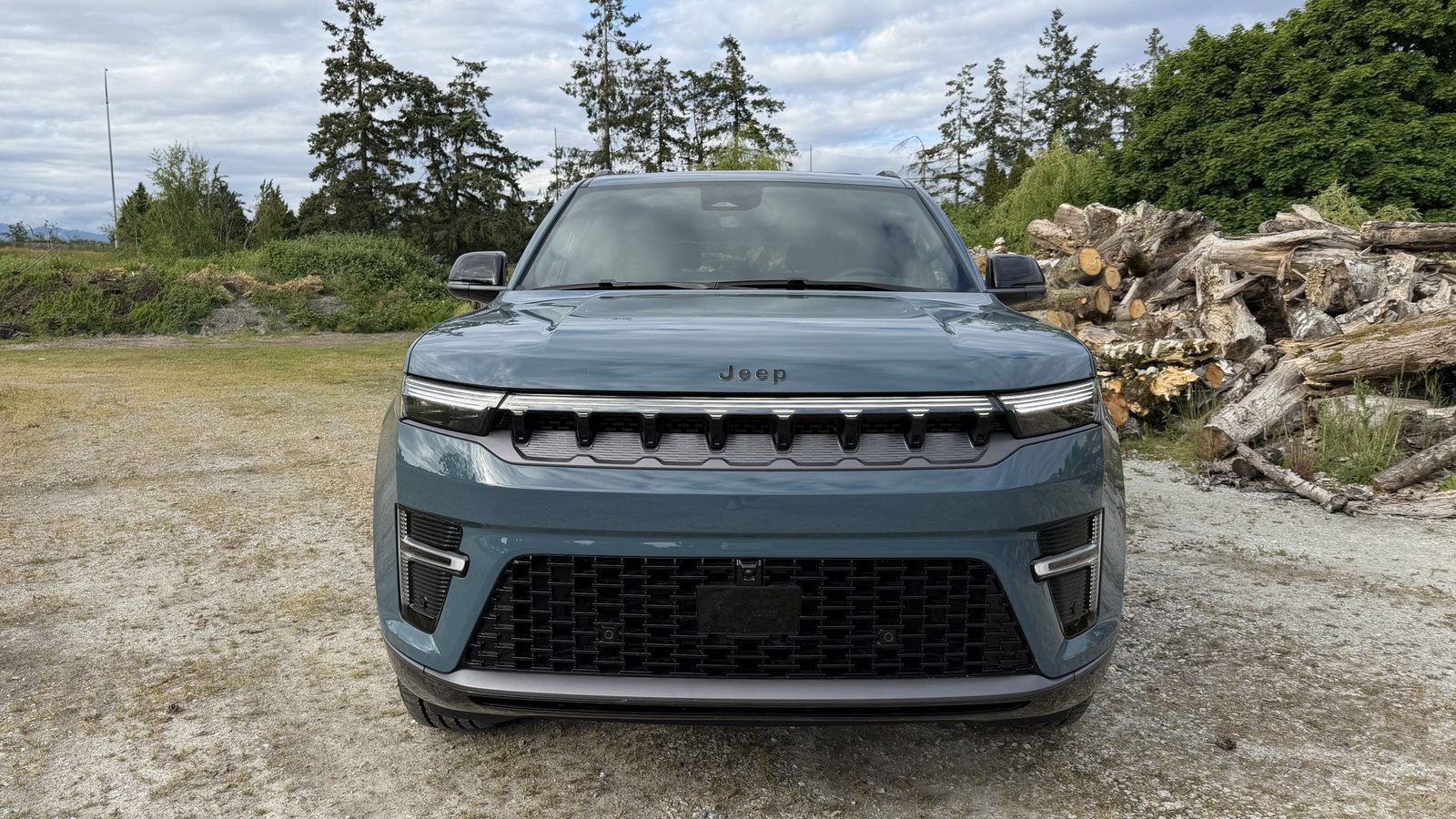 Visually, the Grand Wagoneer has a unique design that may not appeal to everyone. It is undeniably big and boxy, but the body proportions can feel a bit off, particularly with a hood that appears too small for the rest of the body compared to the smoother flow found on the Ford Expedition, GMC Yukon Denali, or Toyota Sequoia. That being said, the front end has been completely redesigned with great results, ditching the excessive chrome in favor of a sleek grille, refreshed fascia, and cleaner lower bumper. Jeep also added cross-vehicle signature lighting up front that looks great, especially during startup. The rear benefits from a much sleeker look with an updated horizontal light bar. The Grand Wagoneer already commands immense road presence, but for those requiring even more space, the long wheelbase “L” option stretches longer than all its key competitors. So, pack away in this Grand SUV.
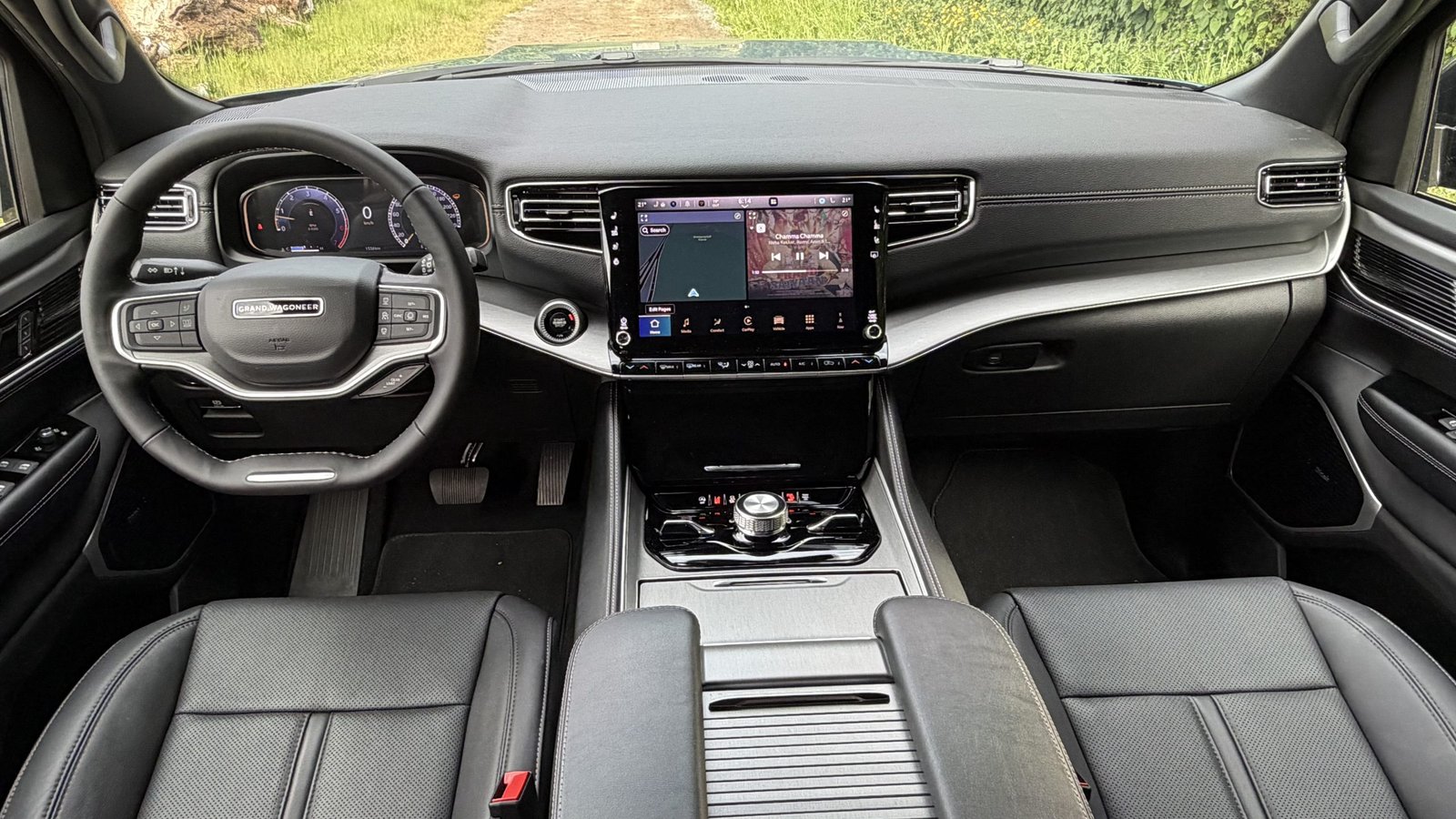
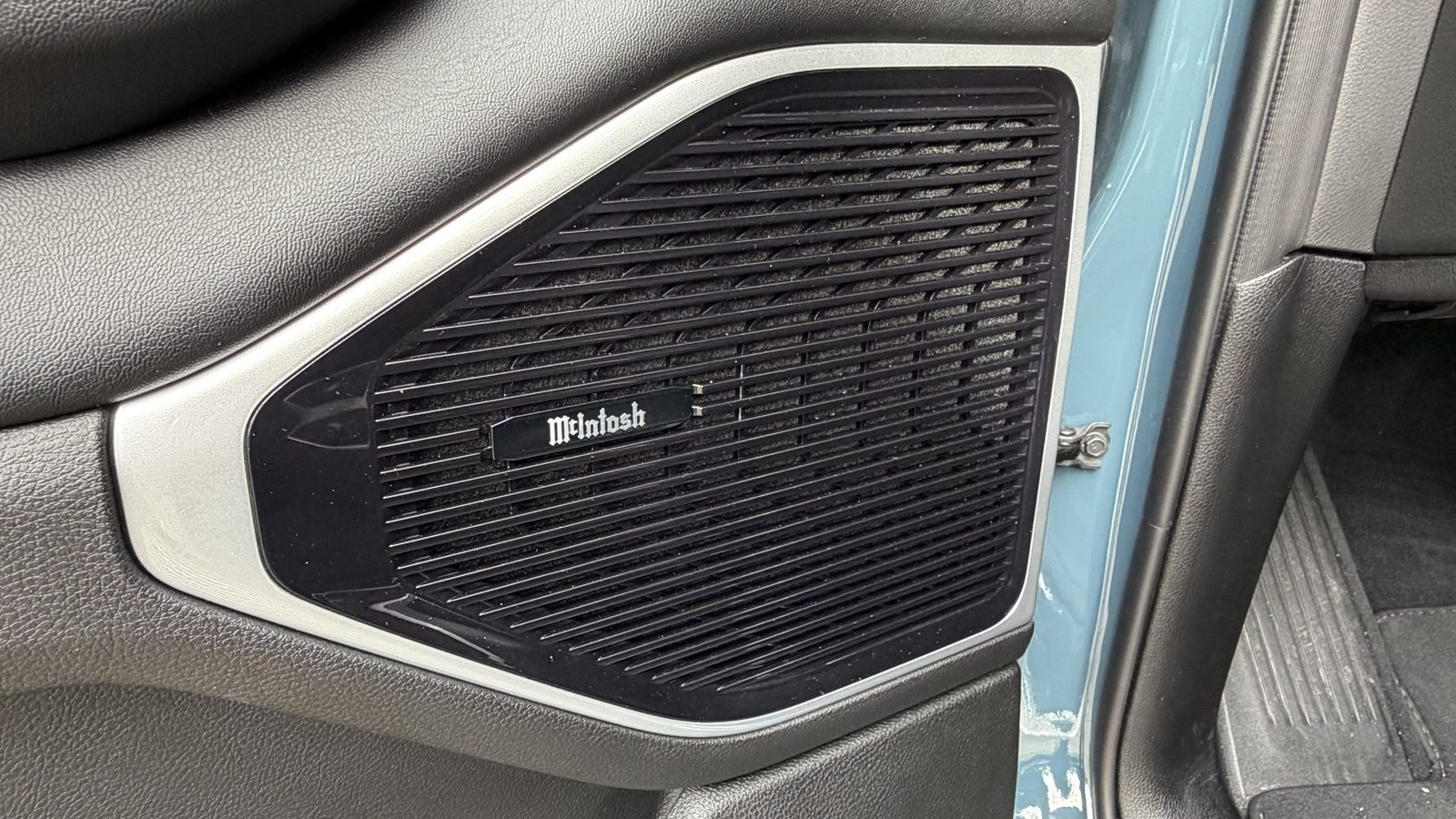
If the exterior leaves room for debate, the interior is bound to impress, offering a level of refinement that could make the competition feel jealous. Jeep didn’t make drastic changes inside as the cabin was already exceptional to begin with. Even if the brand isn’t traditionally labeled as high luxury, this interior would feel right at home in any elite luxury SUV. Centered in the cabin is a 12-inch display running Jeep’s quick, bulletproof Uconnect software with wireless Apple CarPlay and Android Auto. The layout strikes a great balance by integrating enough physical buttons and dedicated controls for key functions like climate control, heated and ventilated seats, and the heated steering wheel, avoiding the frustration of burying everything inside a touchscreen menu. Call me old school, but having buttons and dials are important to me. Finished off with Nappa leather seating, a stitched dashboard, a heads-up display, and an incredible-sounding 19-speaker McIntosh audio system, the cabin experience is top-tier. Honestly, driving while seated in comfortable seats, listening to crisp, clear music and surrounded by luxury takes you away from the daily hustle and bustle.
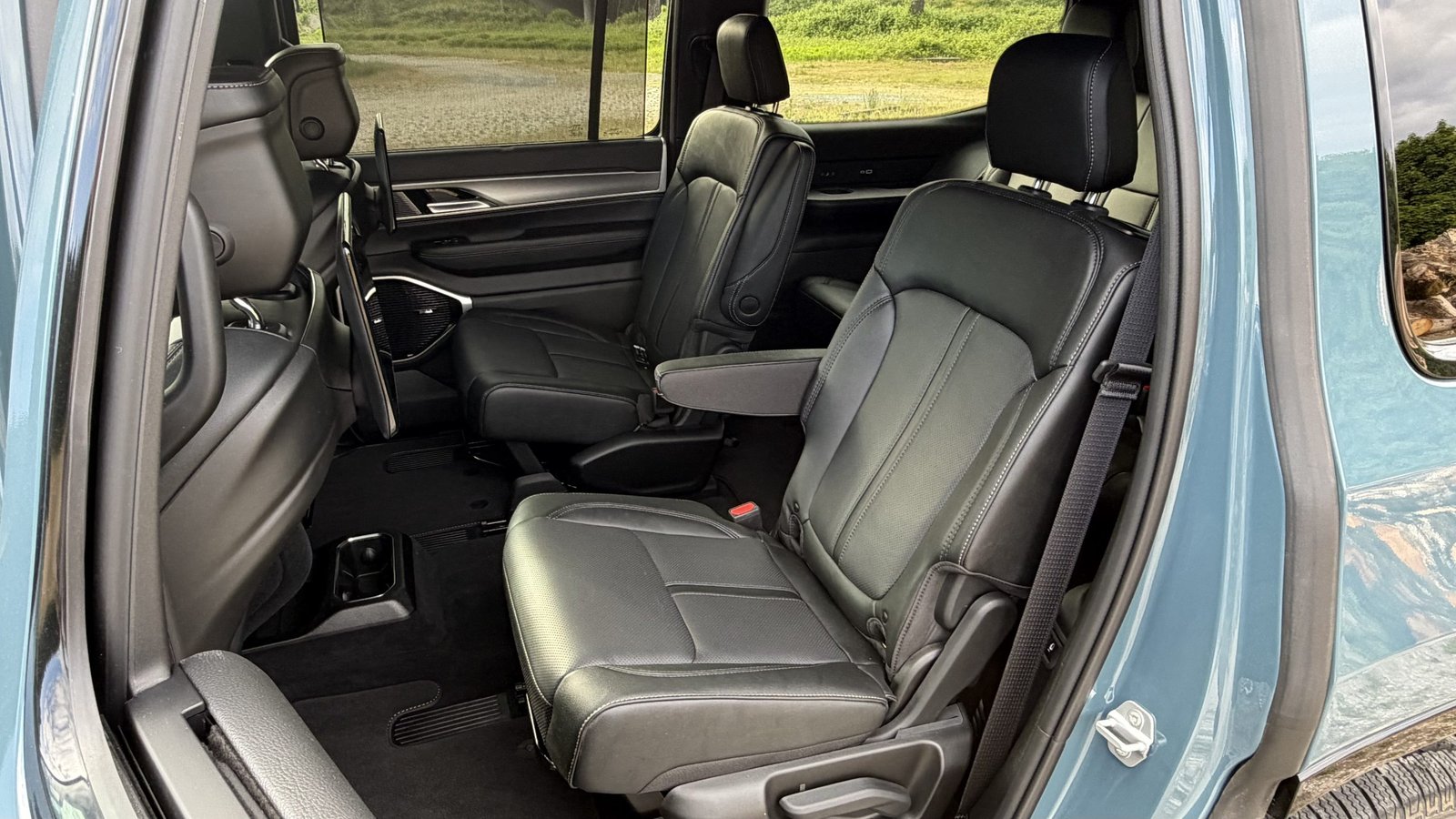
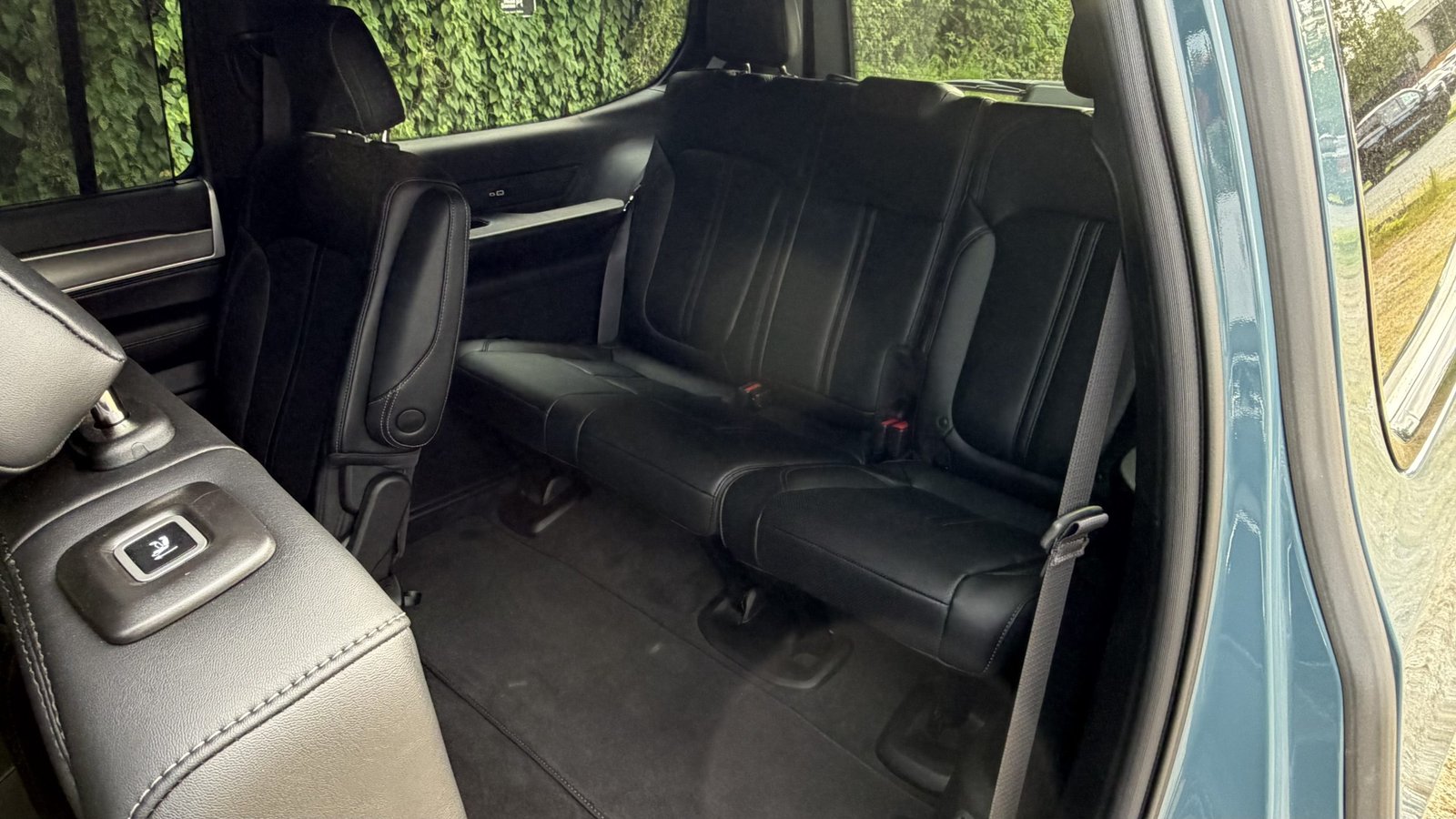
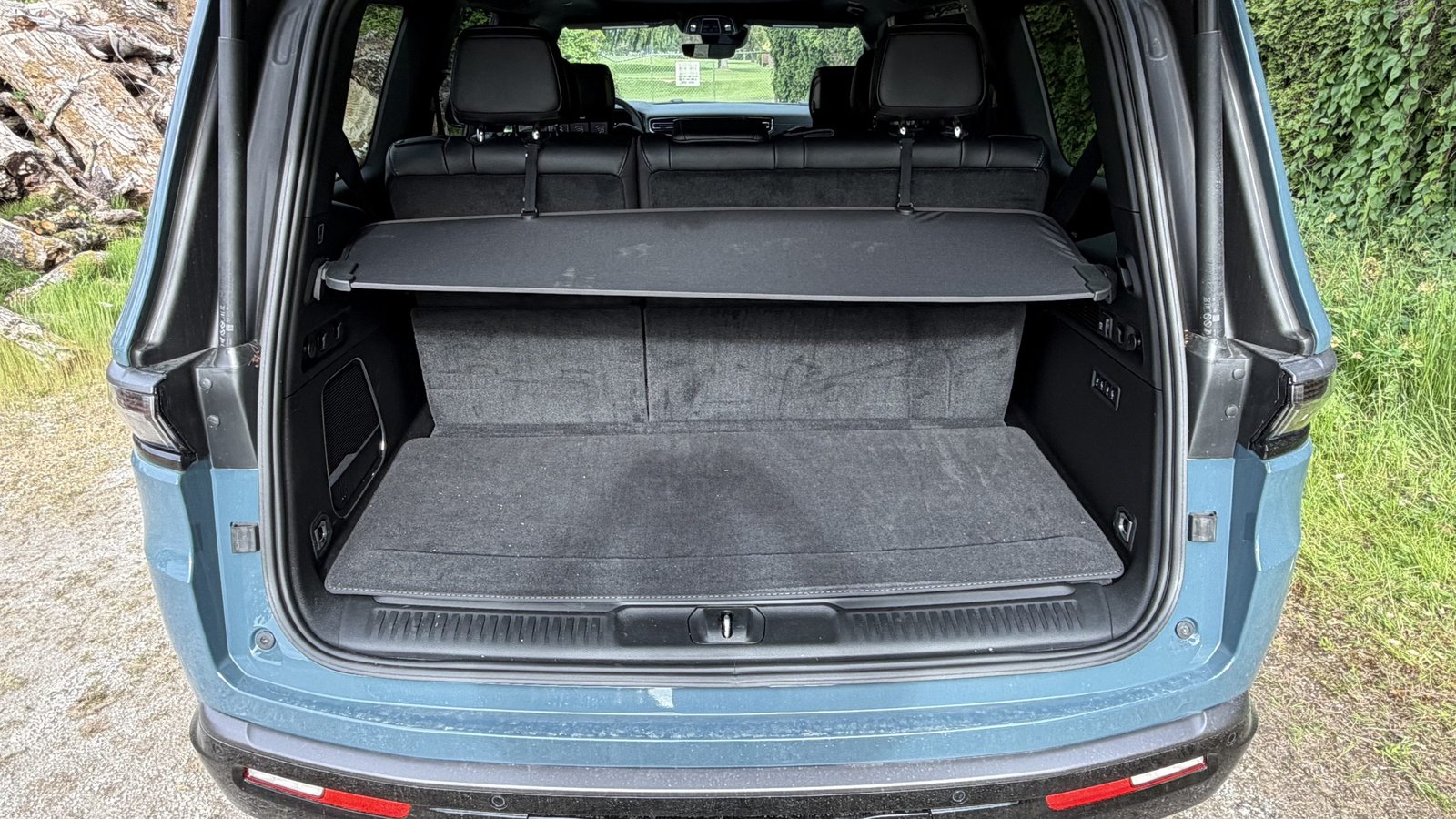
Comfort across all three rows is remarkable, accommodating up to eight people comfortably. Our test vehicle had captain chairs in the second row, but a bench is available. A standout feature in the second row, fantastic for families, allows you to tilt and slide the outer seat forward without needing to uninstall an infant or child car seat. This is a technology more manufacturers ought to adopt as it is so convenient. The third row is surprisingly spacious, providing enough legroom and support that sitting in the very back on longer road trips won’t be an issue. When all three rows are occupied, cargo space does get compromised, so buyers who frequently carry full passenger loads alongside heavy luggage should opt for the L version. And to keep up with the digital world and the devices that keep us connected, throughout the entire cabin, passengers will find plenty of connectivity and charging ports to keep devices powered up. And trust me, kids nowadays stay connected. As a random fact, the Grand Wagoneer has over 10 cup holders to make sure your hydration drinks, or coffees and teas, are within reach.
Under the hood, the Grand Wagoneer is now powered exclusively by a 3.0-liter twin-turbo inline-six “Hurricane” engine paired with an eight-speed automatic transmission and standard four-wheel drive. Outputting 420 horsepower and 468 lb-ft of torque, this powertrain outperforms the Hemi V8 in every measurable aspect. V8 lovers won’t like this but, acceleration from 0 to 100 km/h drops to roughly 5.3 seconds compared to the Hemi’s 6.1 seconds. On the road, the ride is exceptionally smooth and refined, with our test vehicle’s optional air suspension elevating ride quality even further. Whereas some vehicles come with stiffer suspension, it’s nice to see the Grand Wagoneer still deliver a comfortable ride experience. Sound insulation is excellent, keeping road and wind noise quiet enough for easy cabin conversation without the need to raise voices, even when stepping hard on the gas pedal. The only minor drawback with the twin-turbo setup is that it can occasionally feel a bit sluggish off the line in city driving, where the Hemi V8 provides more immediate low-end punch. It’s a tough decision the buyer has to make; go with the more powerful engine (the Hurricane) or the throaty and more responsive V8. Personally, the inline 6 Hurricane would be ideal for me.
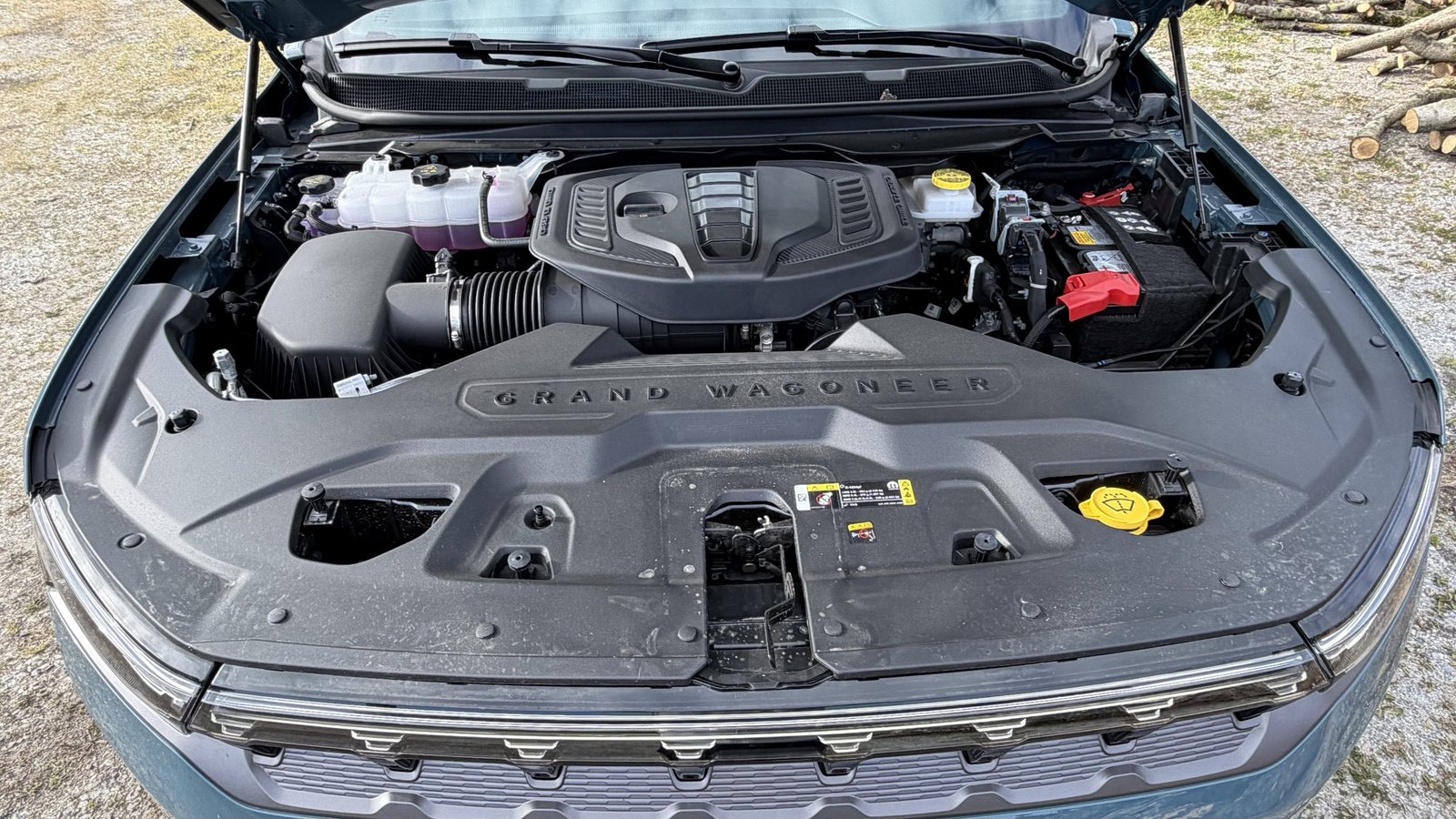
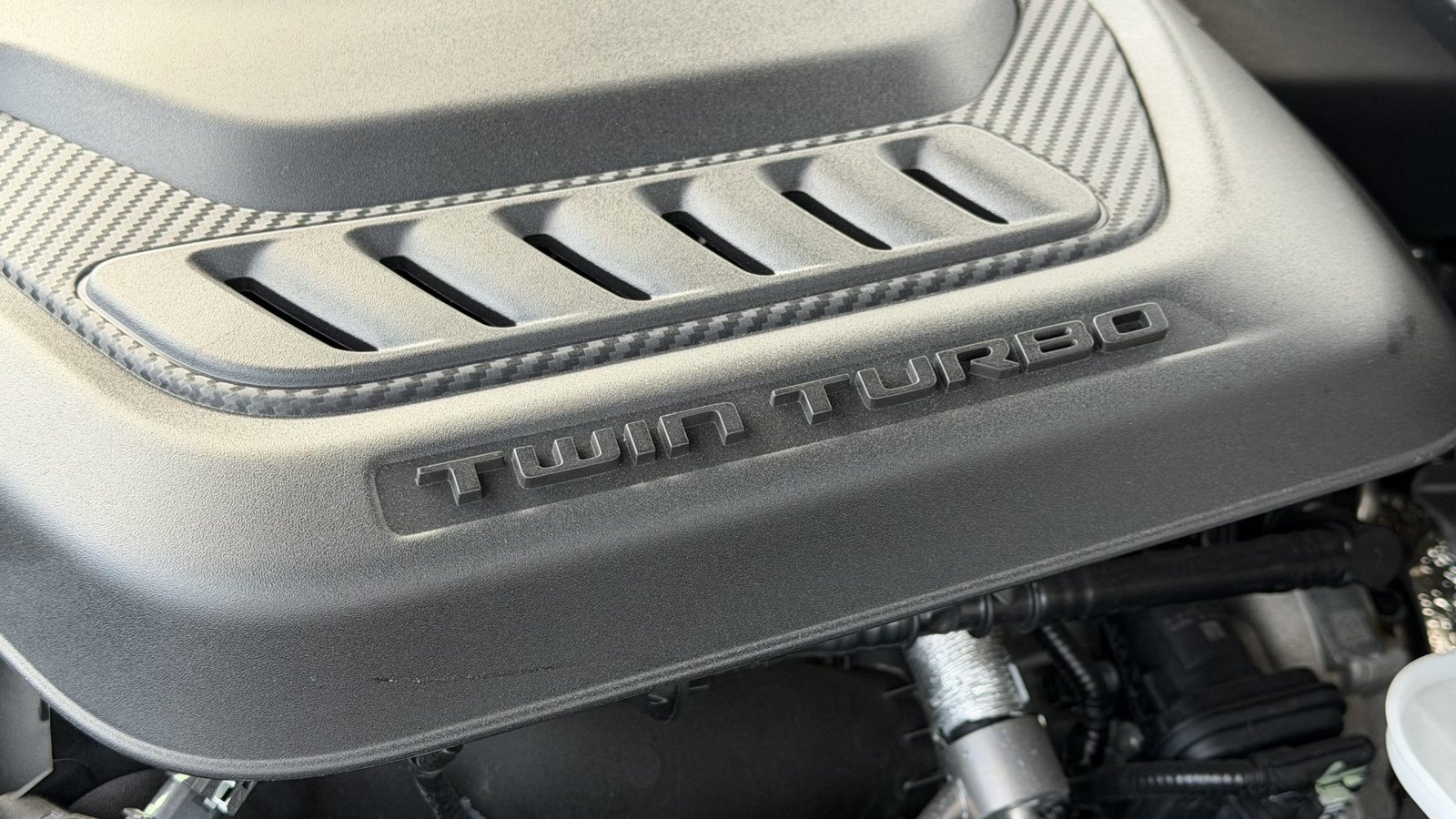
Despite the Grand Wagoneer’s massive footprint, driving dynamics are unexpectedly agile. The vehicle turns easily in tight parking lots and feels much more nimble on the move than a vehicle of this footprint has any right to. With a wide variety of drive modes for both on- and off-road conditions, plus power delivered to all four wheels, it provides a confidence-inspiring and secure drive in true Jeep fashion. Although I drove the Grand Wagoneer in the summer months, I’m sure it will deliver a safe, impressive drive in the fall and winter months, when rain and snow are in abundance in most of Canada. The main trade-off comes down to fuel efficiency. While official estimates quote around 10.5 L/100 km highway and 14.2 L/100 km city, my real-world testing hovered around the 16 L/100 km mark, and this is without aggressive driving. People might think that the 6-cylinder will be “cheaper”; however, this full-size SUV moving still demands a noticeable compromise at the pump.
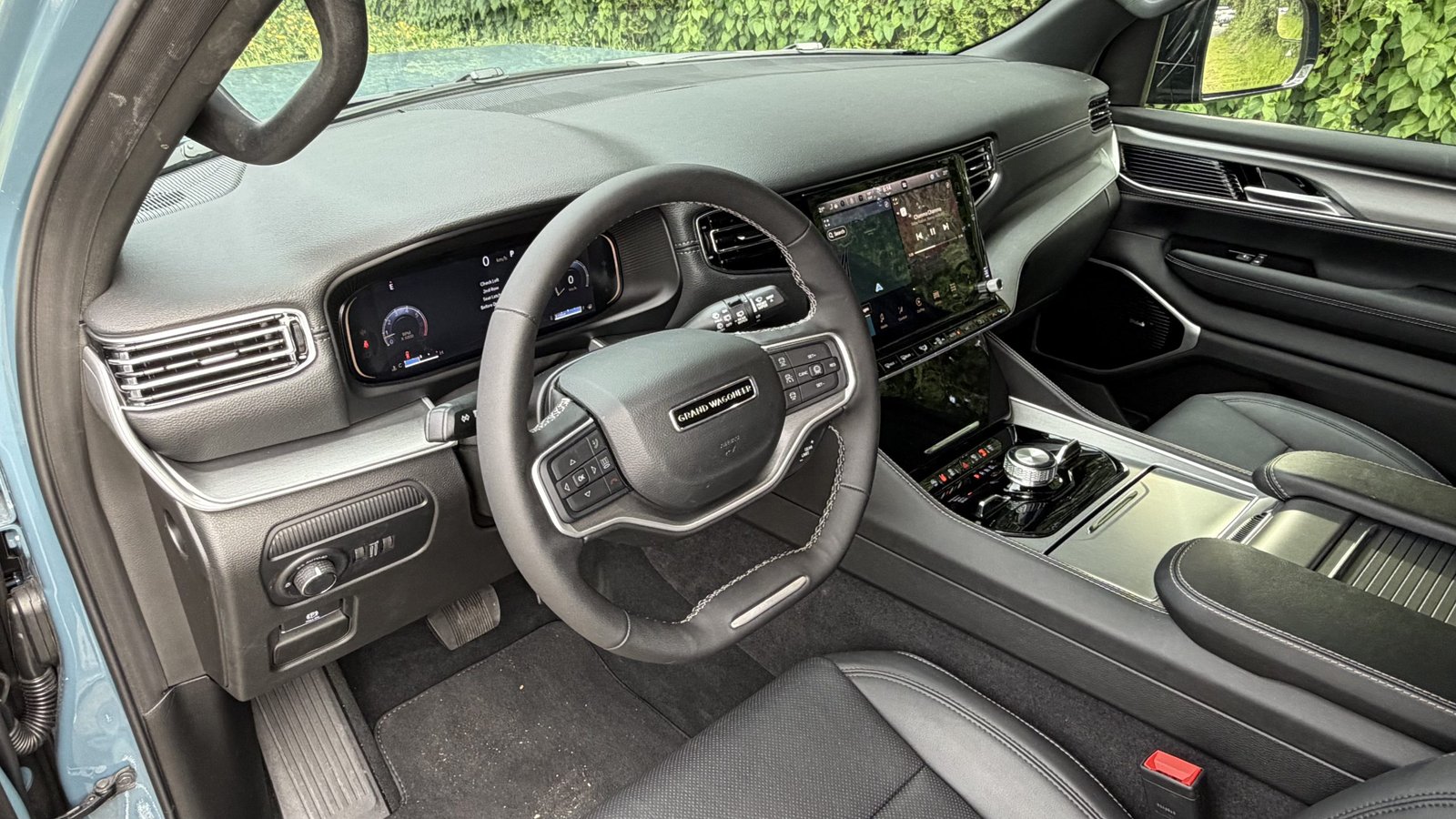
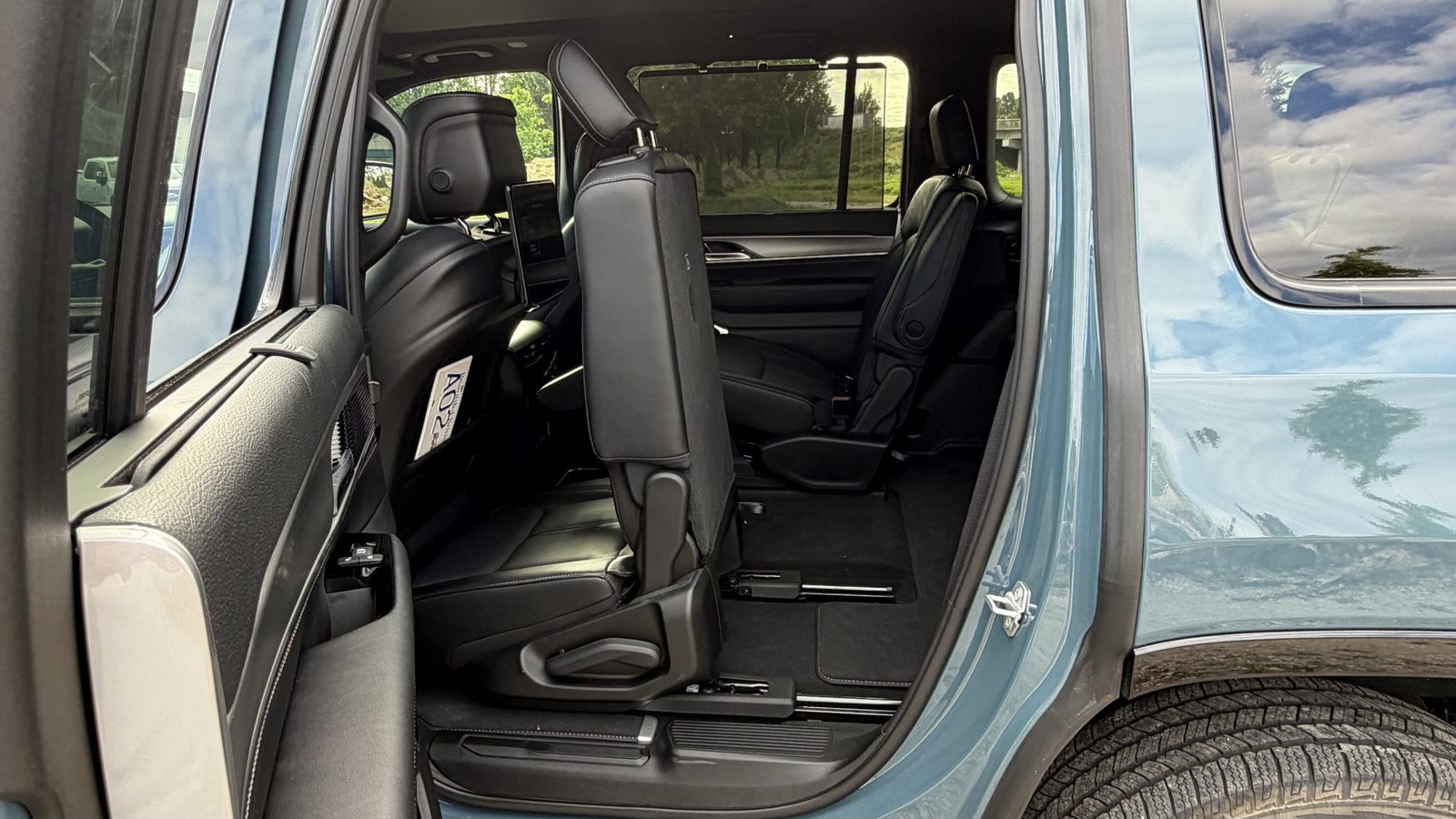
Ultimately, Jeep has done a great job addressing some of the earlier, quirkier design cues, making the updated model far better on the eyes. Combining fantastic driving dynamics with a massive, luxurious cabin packed with the latest in technology and safety features, the Grand Wagoneer stands out as a compelling contender. For those searching for a truly premium full-size SUV in this price range, it might just be the ideal choice.
 2026 Jeep Grand Wagoneer Basics:
Starting Price: $92, 585
Price as Tested: $106, 852
Engine: 3.0L Twin-Turbo Inline 6-Cylinder Hurricane
Transmission: 8-Speed Automatic
Horsepower: 420
Torque: 468 lb-ft