

By: Jag Dhatt
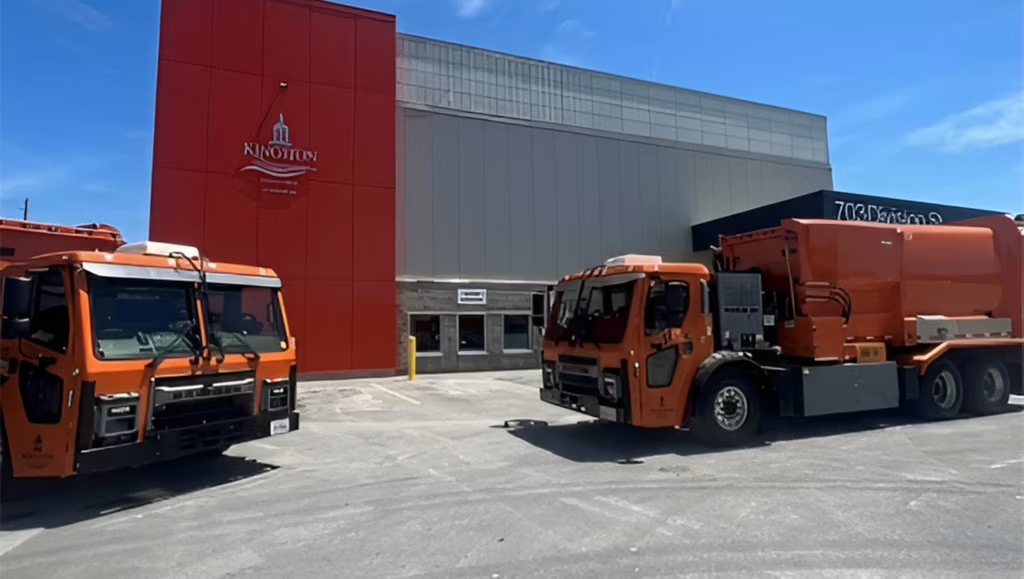
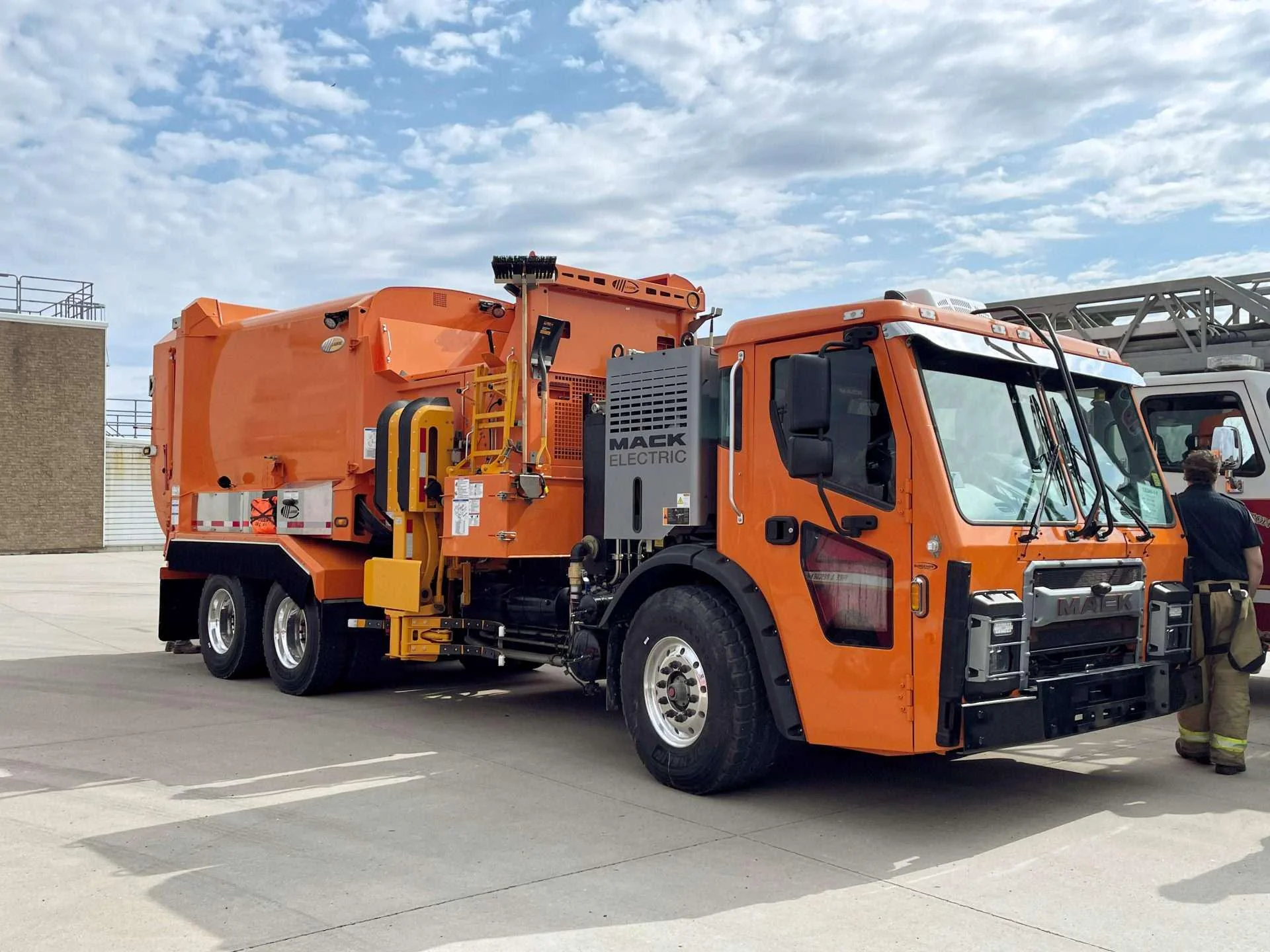
The City of Kingston, Ontario, is turning its ambitious vision of becoming “Canada’s Most Sustainable City” into tangible, quiet reality on its streets. In a major stride toward its green transit goals, the municipality has successfully integrated two fully automated Mack LR Electric battery-electric vehicles (BEVs) into its municipal solid waste (MSW) fleet, marking a milestone for the city’s environmental stewardship initiatives.
Introduced last July to coincide with Kingston’s transition to automated, cart-based roadside collection, the zero-emission side-loaders have officially crossed the one-year service milestone. Operating five days a week, the heavy-duty electric trucks have faced the full gamut of Canadian seasonal weather, proving that electrification is viable even for demanding municipal duty cycles.
For municipalities hesitant about the transition from traditional diesel powertrains to electric, Kingston’s real-world data offers strong reassurance. According to Karen Santucci, Kingston’s Director of Public Works and Solid Waste, the vehicles have seamlessly matched the rigorous demands of daily route collection.
“Their performance is top-notch,” Santucci noted, highlighting that the reception from both the public and solid waste operators has been overwhelmingly positive. Operators benefit from a drastically quieter cabin environment and reduced vibrations, while residents enjoy a significantly lower noise profile during early morning collection rounds.
While urban transit buses often dominate green fleet conversations, return-to-base vocational segments—like refuse collection—are actually the low-hanging fruit for municipal electrification:
- Predictable Duty Cycles: Routes are predetermined, allowing fleet managers to optimize energy consumption and schedule precise charging windows.
- Regenerative Braking Advantages: The relentless stop-and-go nature of residential garbage collection maximizes regenerative braking systems, constantly feeding kinetic energy back into the battery pack to extend operational range.
- Localized Zero Emissions: Eliminating diesel exhaust directly at the street level improves localized air quality in the very neighborhoods the trucks serve.
The capital investment for the zero-emission trucks was bolstered by funding support from the Federation of Canadian Municipalities (FCM), a critical resource for cities bridging the initial financial gap of adopting premium green technology.
To ensure long-term operational success, Kingston prioritized local maintenance infrastructure. The electric side-loaders were spec’d with bodies from Quebec-based LaBrie Environmental Group and purchased through the Ottawa-headquartered Surgenor Truck Group. Crucially, Surgenor’s dedicated facility right in Kingston handles specialized EV service and support.
“When choosing a vendor, we wanted to ensure these vehicles could be maintained right here in Kingston,” explained Brent Fowler, Director of Corporate Asset Management and Fleet. Partnering with a heavy-duty dealer practically down the street ensures minimal downtime and keeps technical expertise within the community.
George Fotopoulos, Mack Trucks’ Vice President of E-mobility, commended the deployment, stating that Kingston is demonstrating true leadership by pairing an ambitious sustainability roadmap with real-world, heavy-duty investments. As more Canadian municipalities watch Kingston’s success, the quiet hum of electric refuse trucks may soon become the new normal coast to coast.