

By: Jag Dhatt
The trucking industry has long been the backbone of the global economy, but in 2026, it is undergoing its most significant technological shift in a century. Driven by environmental regulations, labor shortages, and a relentless pursuit of efficiency, the “big rigs” of today are becoming high-tech mobile data centers. While these innovations are global, they are being adapted with “Canadian-specific” modifications to handle our extreme weather, vast distances, and unique heavy-haul regulations.
- High-Volume Autonomous Hauling (Level 4)
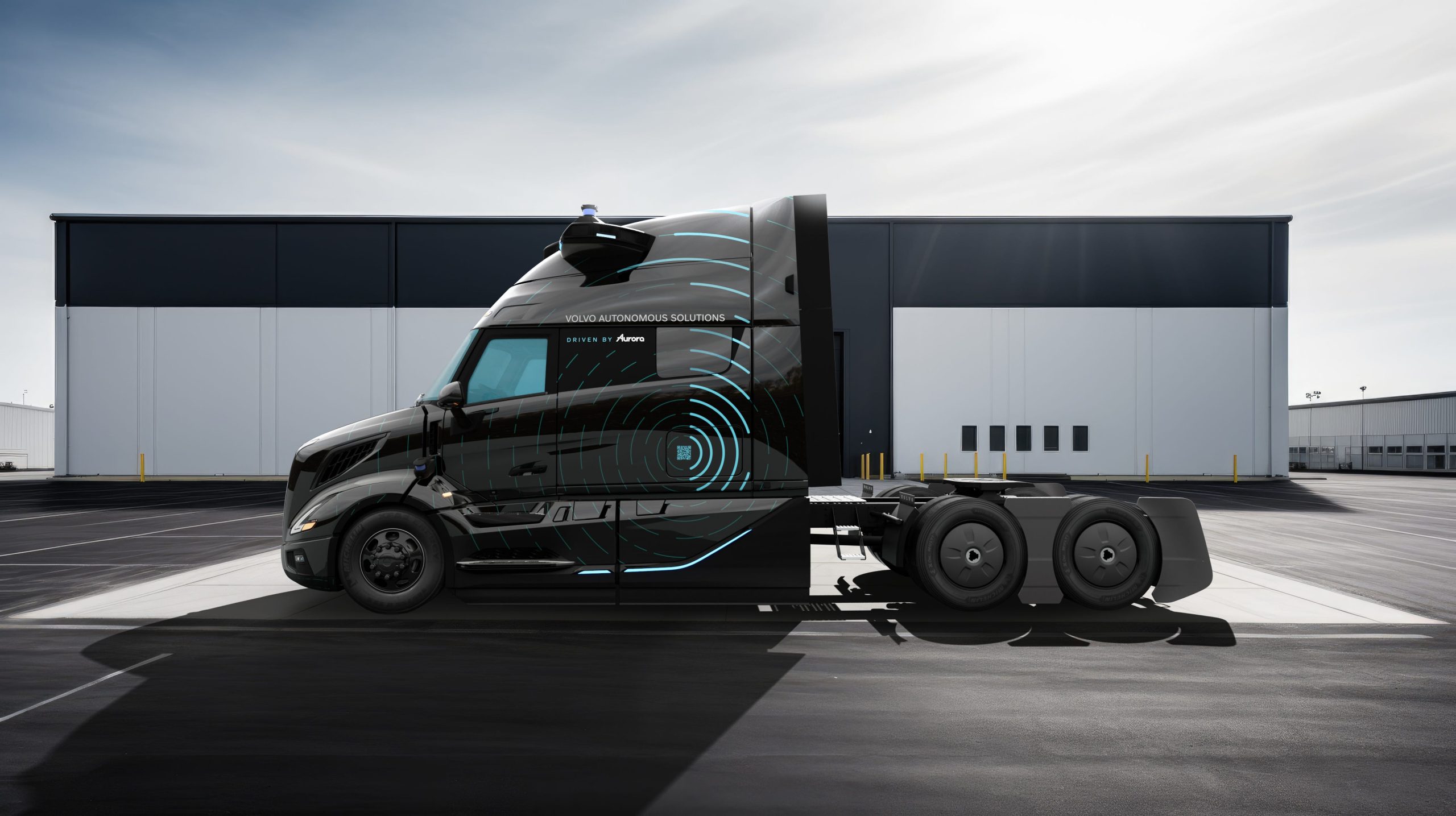
While the dream of “driverless” trucks has been discussed for years, 2026 marks the year it moved from pilot programs to high-volume commercial reality. In the U.S., companies like Aurora Innovation have scaled networks across the Sun Belt.
Canada is leading in autonomous industrial and corridor-specific applications. In August 2025, Ontario launched a 10-year Automated Commercial Motor Vehicle (ACMV) Pilot Program, allowing Level 4 trucks to be tested on provincially controlled highways. Unlike the clear-weather testing in Texas, Canadian systems are being fitted with thermal-imaging cameras and high-resolution radar designed to “see” through blowing snow and heavy fog—conditions where standard Lidar often struggles.
- The Electric “Range Revolution”
2026 is being hailed as the year the “short haul only” stigma for electric trucks died. The Tesla Semi has entered high-volume production, but the real game changer is the Megawatt Charging System (MCS). This infrastructure now allows these behemoths to recover 70% of their charge in just 30 minutes, aligning perfectly with mandatory driver rest periods.
To support this, the Canada Infrastructure Bank is deploying $1.5 billion into the “Charging and Hydrogen Refuelling Infrastructure Initiative.” This is creating “Green Freight Corridors” along Hwy 401 and the Trans-Canada Highway. Canadian fleets are adopting trucks with advanced heat pumps and insulated battery jackets to combat “Winter Range” anxiety in sub-zero temperatures.
- Hydrogen: Canada’s “Secret Weapon”
For the truly long-haul routes where batteries are too heavy, liquid hydrogen is making its move. Hydrogen is increasingly preferred in Canada because it doesn’t lose efficiency in the cold and provides the 800+ km range needed for remote stretches.
Toronto-based Elemental Trucks recently completed the development of a 63.5-tonne hydrogen fuel-cell truck, specifically engineered for Canada’s heavy-haul weight limits. Simultaneously, Edmonton has emerged as a global hydrogen hub, with the Alberta Motor Transport Association (AMTA) running pure hydrogen Class 8 trials to navigate the icy mountain passes of the Rockies.
- Predictive Telematics and “AI Copilots”
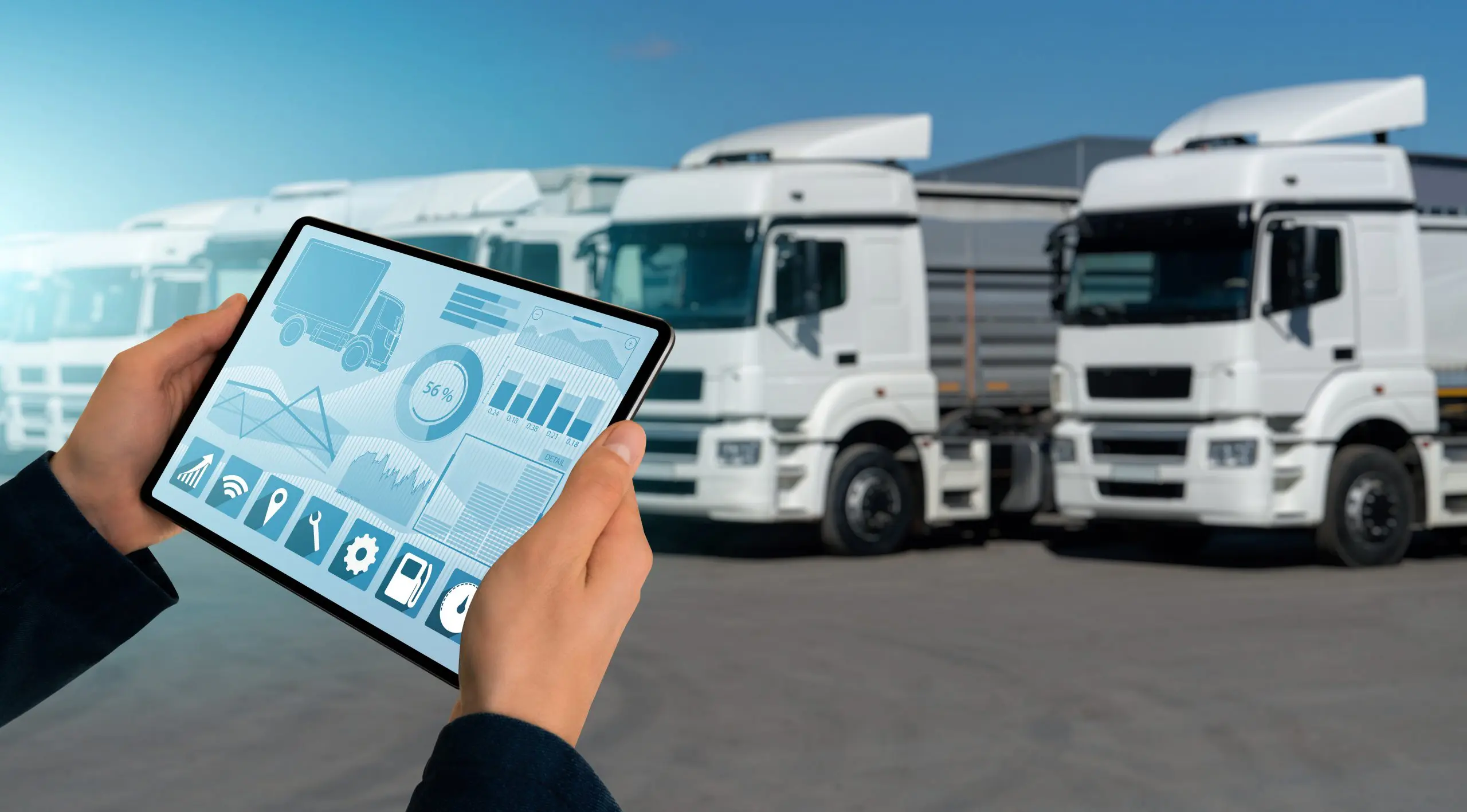
Inside the cab, technology is focusing on the driver experience. AI-powered telematics have evolved into proactive “Copilots” that can predict breakdowns by detecting micro-vibrations and optimize “Smart Routing” based on live weather patterns.
These systems are vital for “Winterization.” In 2026, Canadian fleets use IoT sensors to monitor fluid viscosity and air-line freezing, alerting drivers to potential mechanical failures before they get stranded in remote areas like the Rogers Pass. Furthermore, this tech supports the push to make truck driving a Red Seal Certified trade by providing real-world data on driver competence.
- Smart Trailers and 360-Degree Vision
The “dumb trailer” is a thing of the past. 2026 trailers are equipped with 360-degree camera arrays that eliminate blind spots and automate the “pairing” process between the tractor and trailer.
This is especially critical for Canada’s unique “B-Train” configurations (pulling two trailers). Active stability sensors now communicate directly with the tractor’s AI to prevent roll-overs on winding, icy provincial highways.
The semi-truck of 2026 is no longer just a vehicle; it is a sophisticated, sustainable, and increasingly independent piece of infrastructure. While autonomous highways might still be limited to specific corridors in Ontario and Alberta, the adoption of hydrogen and predictive telematics is seeing immediate, widespread success across the country.