

By: Jag Dhatt
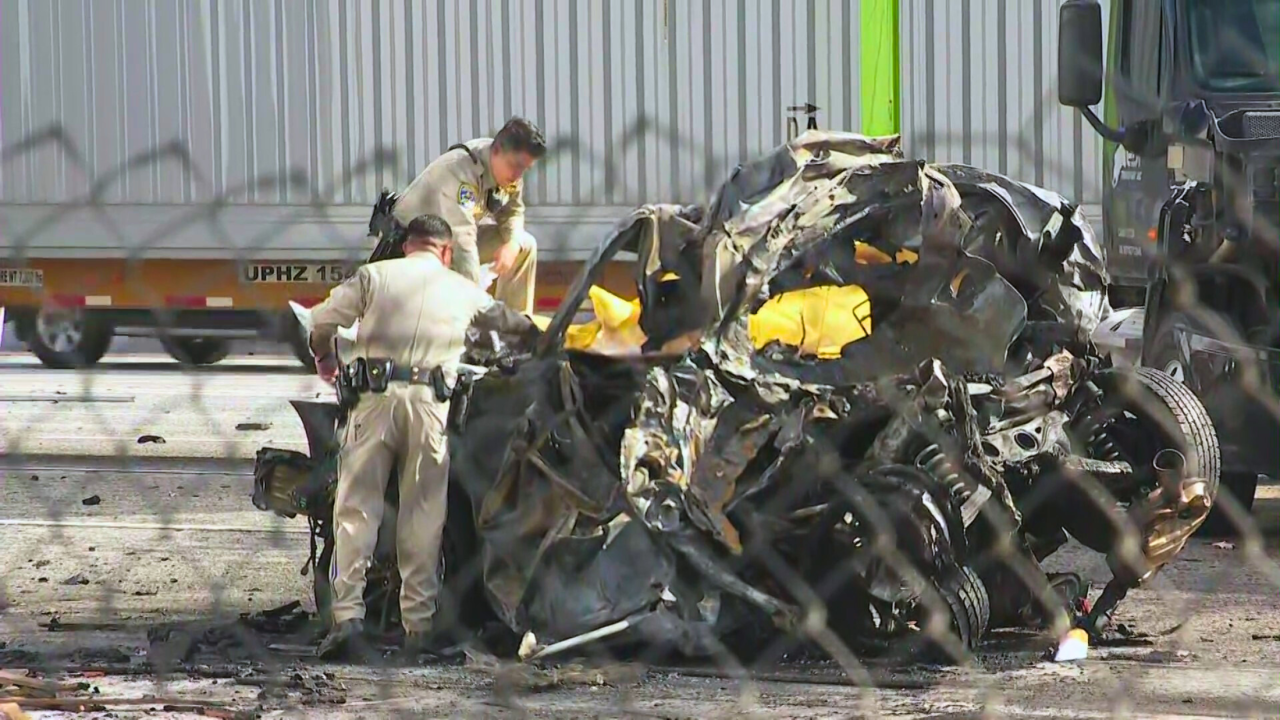
A devastating chain-reaction crash on the 10 Freeway in Ontario, California, this week has once again shone a harsh, unwelcome light on the systemic failures plaguing the issuance of Commercial Driver’s Licenses (CDLs). The horrifying Tuesday afternoon collision, which involved eight vehicles, including four semi-trucks, tragically claimed three lives and left several others injured.
According to the California Highway Patrol (CHP), the crash occurred when a semi-truck, allegedly driven by 21-year-old Jashanpreet Singh of Yuba City, plowed into slow-moving traffic on the westbound lanes without braking. Witnesses described the scene as sounding like a “big explosion” as the impact crushed passenger vehicles and ignited flames. Singh was arrested at the scene on suspicion of driving under the influence of drugs and faces charges of vehicular manslaughter and DUI causing great bodily injury.
While the actions of the driver are the immediate cause of this tragedy, the incident is the latest in a series of fatal crashes involving commercial truck drivers in California that raise profoundly disturbing questions about regulatory oversight. Reports have quickly surfaced, amplified by political and media figures, that the driver was an individual who had entered the country illegally, a detail that immediately brings into sharp focus the state’s policies for granting CDLs.
The public deserves to know how an individual allegedly impaired by drugs, and potentially without the full legal standing or necessary proficiency to operate such a dangerous vehicle, was entrusted with a commercial license. This crash should not be viewed in isolation; it follows other high-profile incidents, like the one in Florida months ago involving a different driver, which also sparked intense scrutiny into the integrity of California’s CDL testing and issuance processes.
It is time for state and federal authorities—the very bodies responsible for ensuring road safety—to be held publicly and unequivocally accountable. The agency or personnel responsible for issuing commercial licenses must face a full and transparent investigation. Were proper vetting procedures followed? Was the driver’s eligibility, language proficiency, and knowledge of safety regulations thoroughly confirmed? Given the severity and frequency of these crashes, simply arresting the driver is not enough; the system that put that driver behind the wheel must be overhauled.
The families of the deceased and the injured deserve more than just condolences; they deserve justice that addresses the systemic vulnerabilities that enabled this preventable loss of life. If lax licensing standards, alleged corruption, or political maneuvering allowed a demonstrably unfit driver to operate a massive commercial vehicle, those responsible for certifying that driver must be identified and held accountable to the fullest extent of the law. Until then, every commercial vehicle on the road is a potential risk, and the regulatory bodies are complicit in the danger. The time for a comprehensive, safety-first review of the CDL process is now.