

By: J. Singh
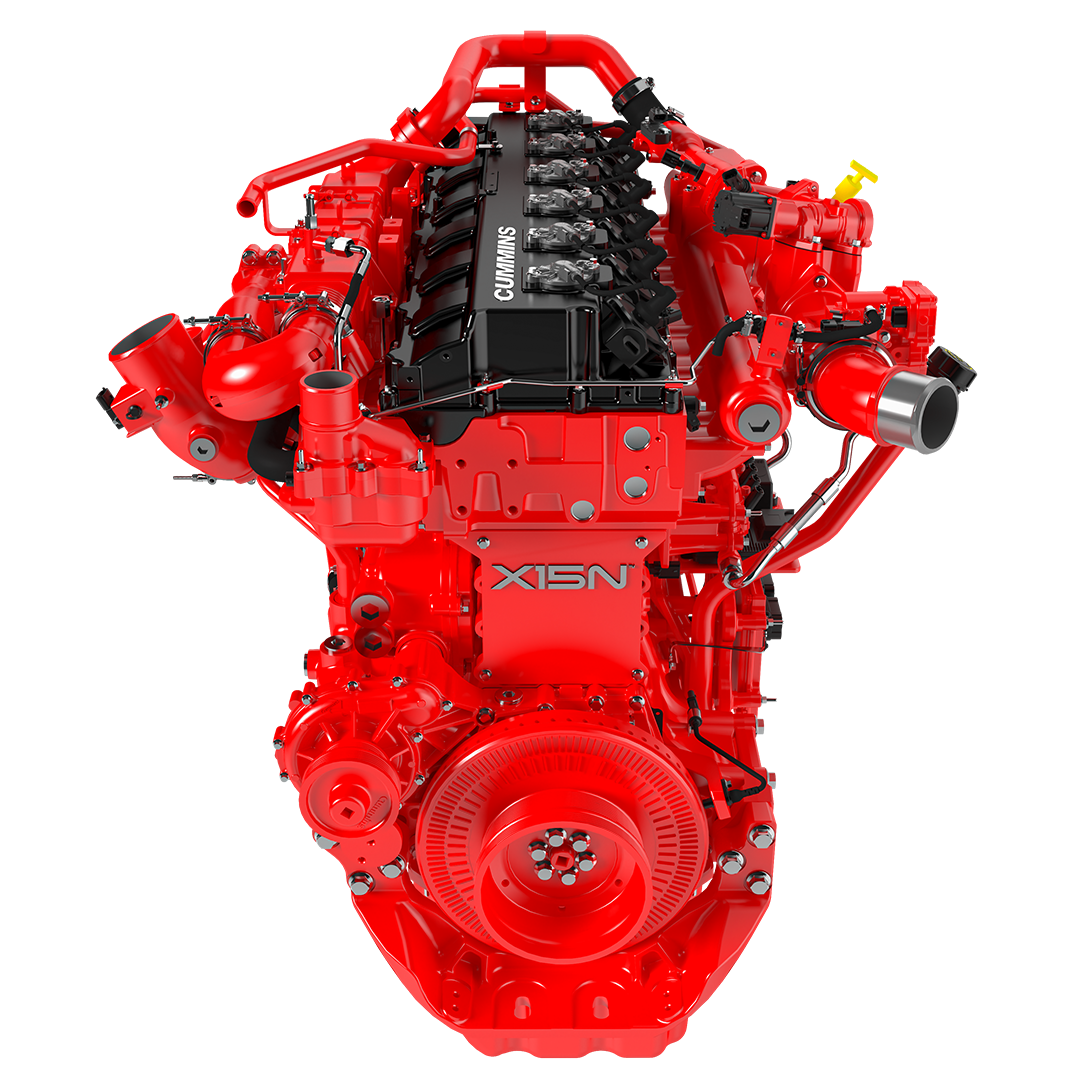
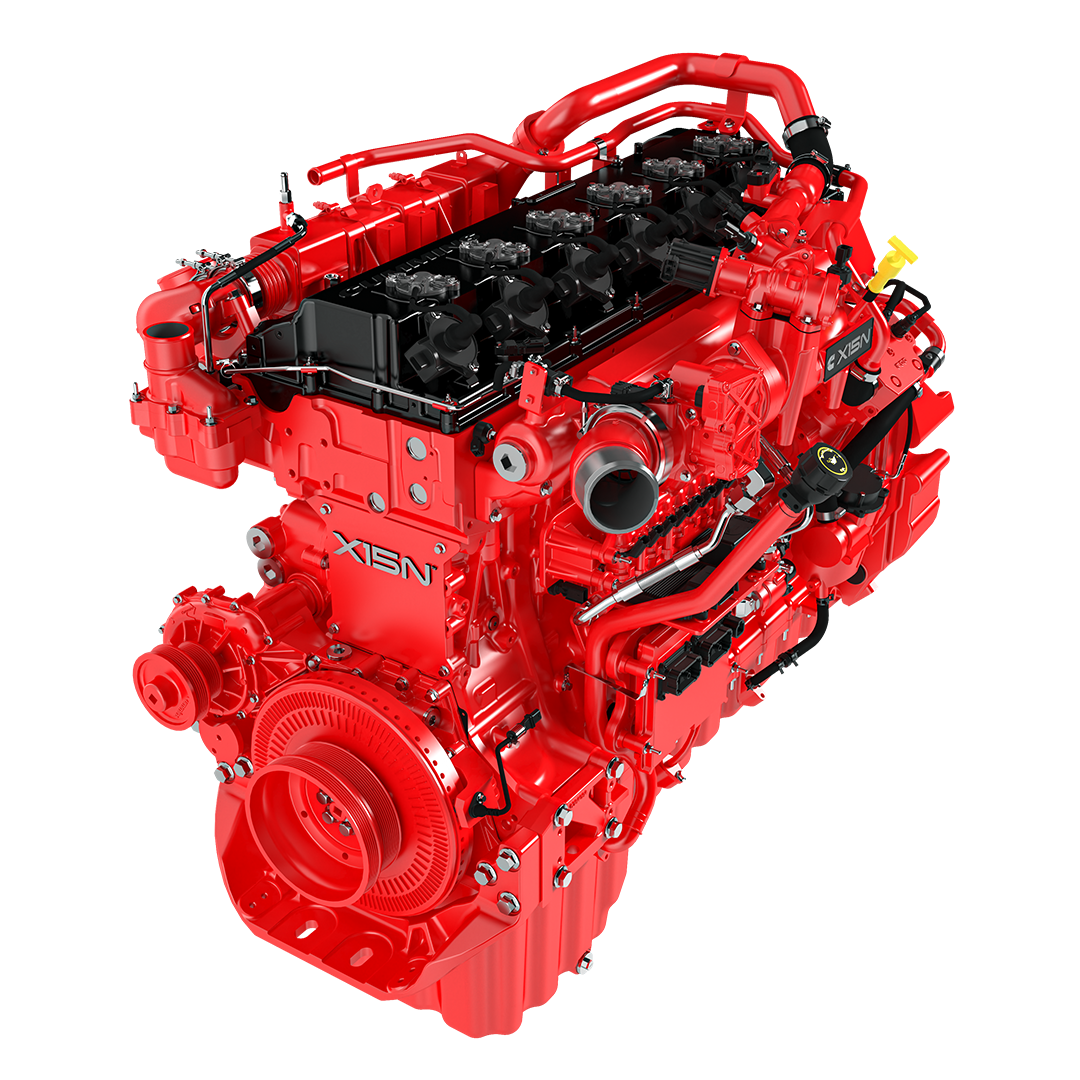
Hannover, Germany: Cummins has officially introduced its 15-litre X15N natural gas engine to the European market, marking another important step in the company’s plans to reduce emissions from heavy-duty trucks. The new engine was unveiled at the IAA Transportation show in Germany and represents a major expansion of Cummins’ global HELM platform. The fuel-agnostic engine architecture has been designed to accommodate different fuels, including natural gas, diesel and eventually hydrogen. For trucking companies, the idea is pretty simple. Cummins wants to provide operators with lower-emission alternatives without forcing them to give up the power and performance needed to move heavy loads over long distances.
For decades, long-haul trucking in North America and Europe has relied heavily on large-displacement diesel engines. When you’re hauling heavy freight through mountain passes or across thousands of kilometres of highway, horsepower and torque matter. Natural gas engines have already been used successfully in applications such as regional delivery and transit, but smaller natural gas engines haven’t always provided the power and torque required for heavy-duty, long-haul trucking. That’s where the X15N comes in. The European version of the engine will be available with ratings of up to 651 horsepower and 2,213 lb-ft of torque. That puts it firmly into heavy-duty territory and gives fleets an alternative to conventional diesel power. The engine has also been designed to meet Europe’s stringent emissions requirements, including the upcoming Euro 7 standards.
When running on compressed natural gas (CNG) or liquefied natural gas (LNG), the X15N produces significantly lower levels of nitrogen oxide and particulate matter compared with conventional diesel engines. But there’s an even bigger advantage when the engine is running on renewable natural gas, or RNG. RNGcan be produced from sources such as agricultural waste and landfill material and, depending on the source and production process, using RNG can result in net-carbon emissions below zero on a well-to-wheel basis. For fleets looking at ways to lower their overall carbon footprint, that could be a pretty big deal.
 For Canadian and American trucking companies, Cummins’ move into Europe is worth paying attention to. The X15N has already started making its way into North American fleets, with major operators such as UPS and J.B. Hunt adopting the engine. Bringing the same basic platform to Europe shows that Cummins sees natural gas as an important part of the future of heavy-duty transportation. There is certainly no shortage of discussion about battery-electric and hydrogen-powered trucks. Both technologies continue to develop, but they also face challenges, particularly when it comes to the cost of the vehicles and the infrastructure needed to keep them operating. Natural gas has one advantage that shouldn’t be overlooked — the infrastructure already exists in many areas.
For fleets looking to reduce emissions without completely changing the way they operate, a natural gas-powered heavy-duty engine can provide a relatively straightforward option. Trucks can continue using internal combustion technology while taking advantage of lower-emission fuels. Europe is also putting increasing pressure on trucking companies to reduce their carbon footprint. Current European Union regulations call for a 45 per cent reduction in average carbon emissions from heavy-duty vehicle fleets by 2030. That gives manufacturers and carriers a relatively short amount of time to make some pretty significant changes.
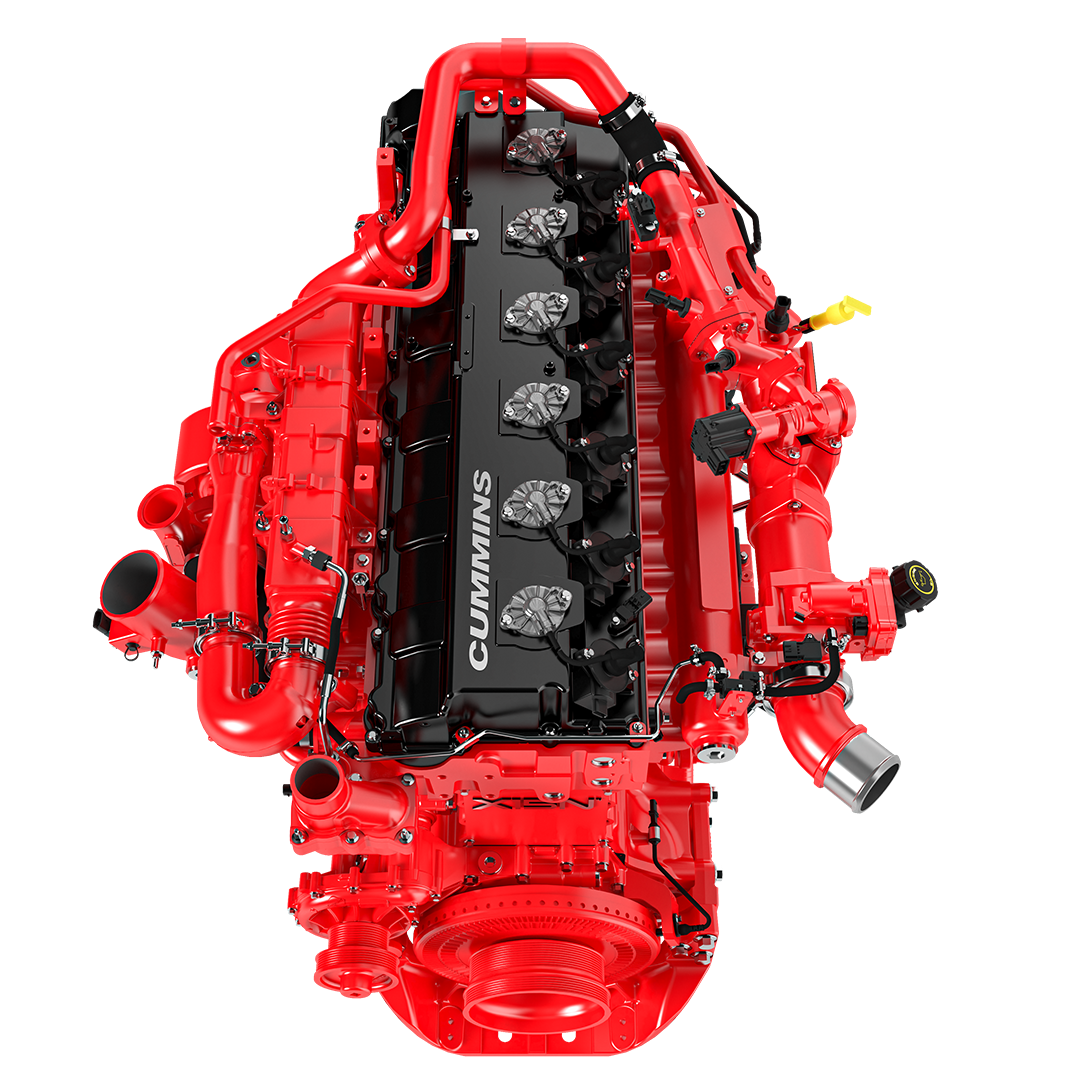 Cummins’ HELM platform is designed to allow the company to adapt its engines to different fuels and emissions requirements while retaining a common architecture and many shared components. While European truck manufacturers have not yet announced widespread factory integration of the X15N, its arrival in Europe is certainly significant.
The big question now is how quickly natural gas, RNG and other alternative fuels will become part of the mainstream long-haul trucking industry. One thing is becoming clear, however. The move toward lower-emission trucking isn’t going to rely on just one technology. Battery-electric, hydrogen, natural gas, renewable fuels and increasingly efficient diesel engines are all likely to play a role. And with the X15N, Cummins is making it clear that natural gas still has a place in that future.