

By: G. Ray Gompf, CD
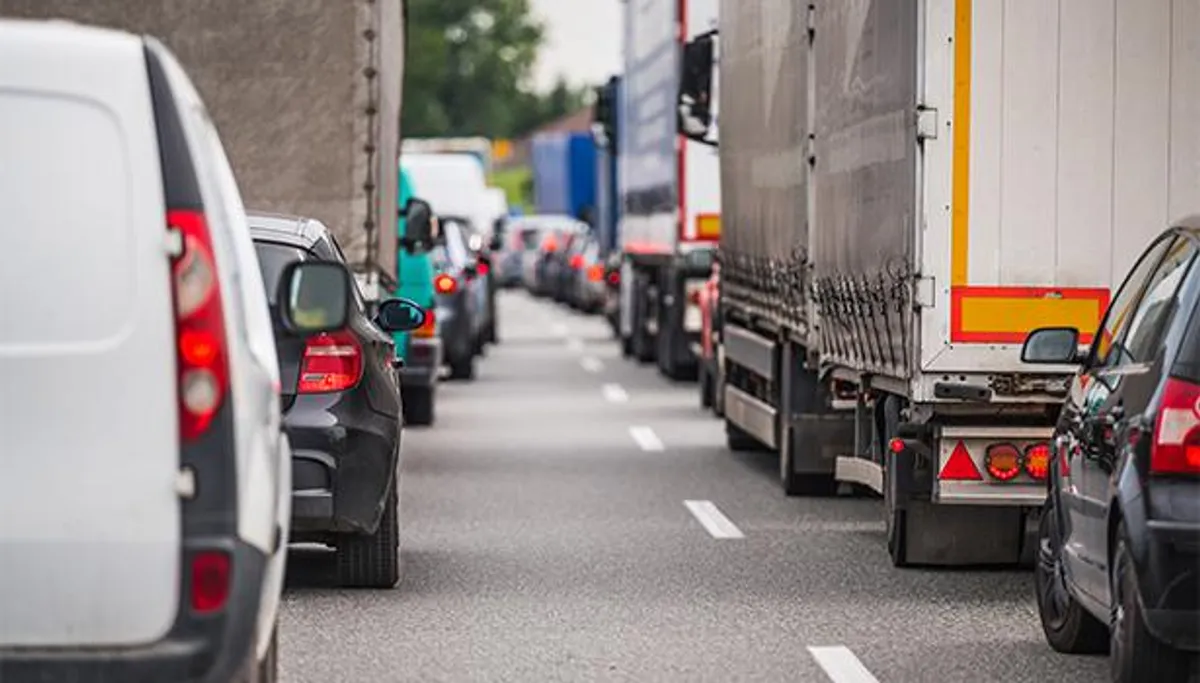
Of the hundreds of thousands of trips collectively done on Canadian roads, the overwhelming number are completely safe; primarily because most people, be they commercial drivers or by private motorists, follow the rules or at least blend in well with the majority.
Yes, both groups have their fair share of impatient members and rule breakers but certainly they don’t represent anywhere close to a majority. We are, however, looking much terribly worse in recent years.
For example, just a few years ago, there were about 3,500 wrecks per year involving big trucks in all of Canada, with a mere 2% the fault of the truck driver. The other 98% were clearly the fault of the non-commercial driver. Truck drivers are the most highly skilled and safest drivers on the road. Today, the numbers are harder to evaluate but in Ontario, on roads patrolled by the Ontario Provincial Police, there are nearly 36,000 wrecks involving big trucks and that coveted 2% fault rate has gone by the wayside.
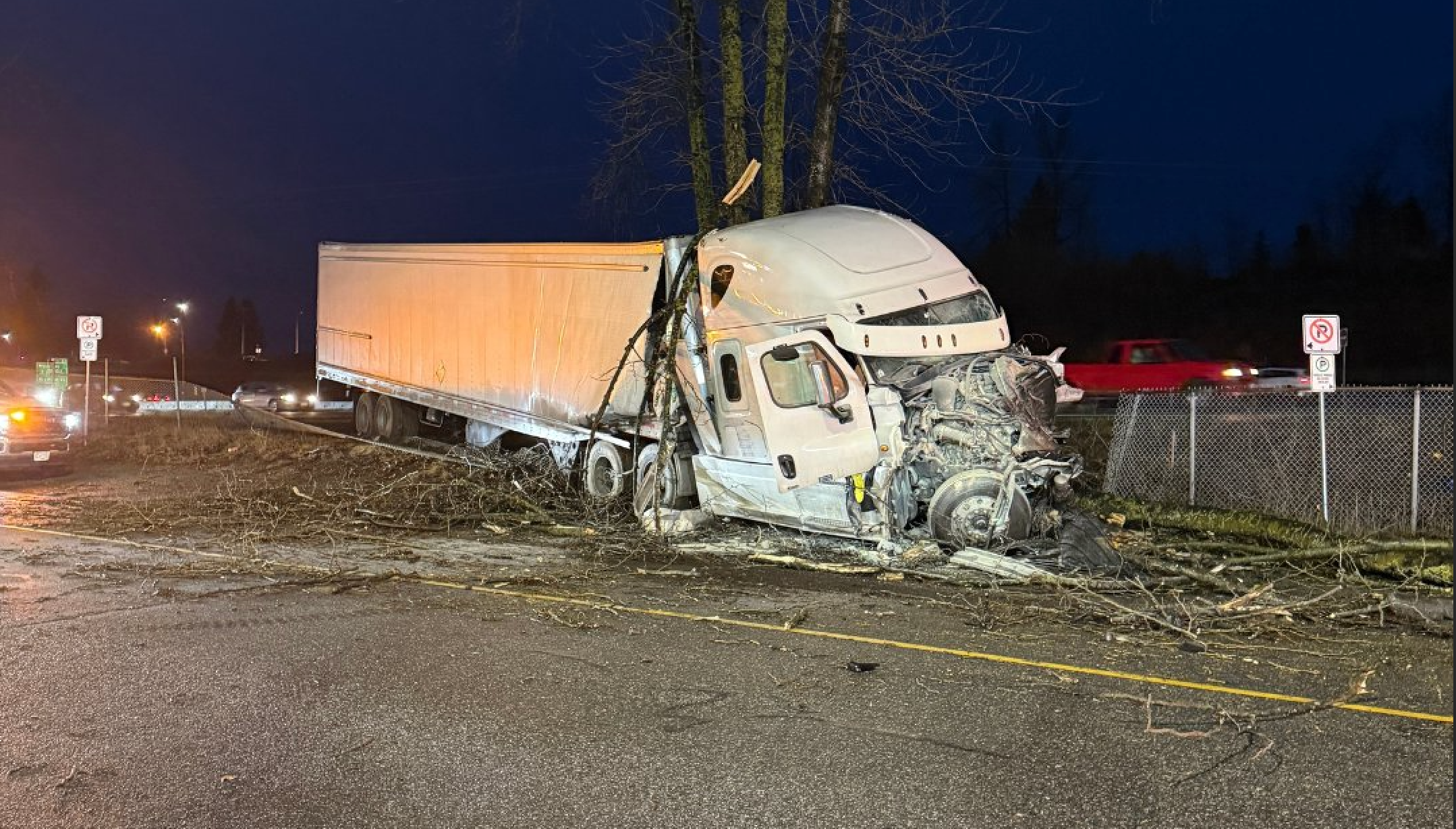
Humboldt was the first wreck that determined there was a real gap in the skill level of older truckers and the new crop of replacements coming into the industry leave a lot to be desired with training to any sort of skill level. Of course, governments that had abandoned much of the training and testing of new commercial drivers were all trying to cover their inadequacies and came up with Minimum Entry Level Training as if minimum was going to solve the problem. Naturally, MELT has been a dismal failure. In fact, it’s exacerbated an already precarious position, welcoming truck driver training schools to abuse the system in search of a quick dollar and with no responsibility to the unskilled, ill-trained now driving large trucks to wreak havoc on the roads.
The industry itself recognizing “it ain’t working” has a much better solution to the training problem and the greed inspired truck driving schools that were training to test, not to provide knowledge, to wit the birth of truck driving as a red seal skilled trained trade and the creation of the Professional Truck Training Alliance of Canada.
PTTAC has a massive challenge ahead, because it has to have five provinces agree to its proposals and then it will be adopted as the way trucking companies will hire drivers through training schools that will be adhering to the program without deviation. Training, however, is but the first step, to lifelong skill development throughout one’s career. The training for drivers must be assumed by the industry, and testing should never be third party where, as has proven in Ontario, there is room for corruption and kickbacks. That’s not just an assumption, but people have been arrested, tried and convicted of such crimes recently. There must be a way for provinces to cooperate when a person or group has been removed from the training business only to move jurisdictions and operate as before convictions. Fortunately for PTTAC, Alberta has agreed to go the Red Seal Skilled Trade route. Ontario, Manitoba, Saskatchewan, and British Columbia are working within the decision-making process. It could happen fairly quickly, now.
The trucking industry has recognized the training failures and is undertaking major changes to make their part of the equation much safer. The other part of the road safety equation, the personal driver, will be tackled through better enforcement, and insurance punishment as a resulting ramification of stiff enforcement.
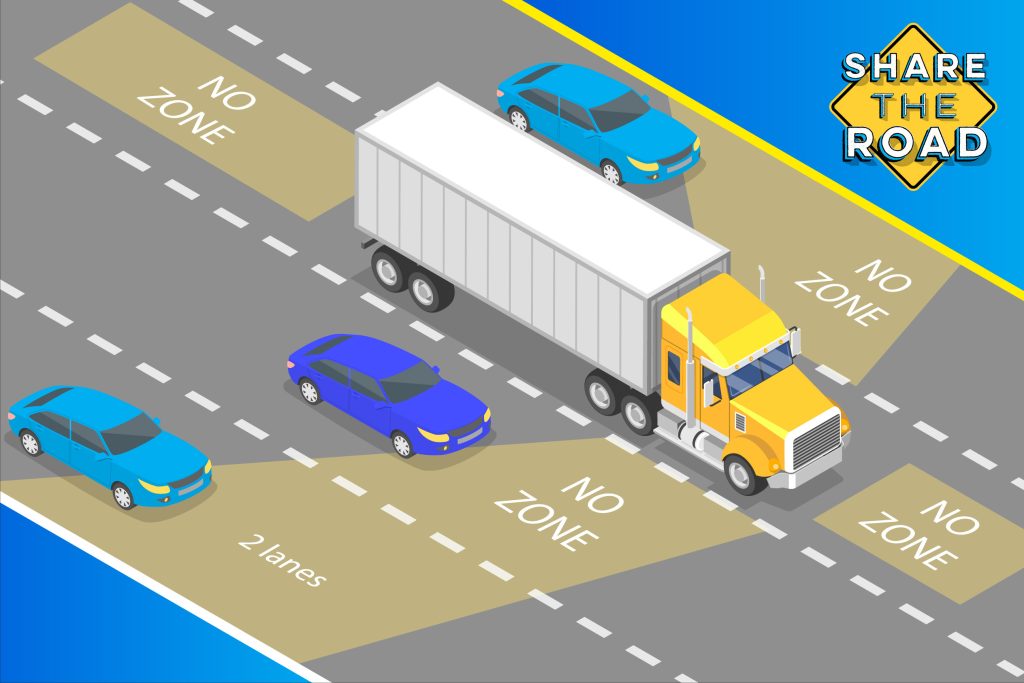
The best advice for both groups in the interim is to follow all the rules of the road. Remember, speed limits are upper limits for when conditions are ideal. Conditions are rarely ideal, especially in winter. Never, ever use cruise control during rain or when roads are snow or ice covered. During inclement weather, if you can turn the settings off for as many options as possible and drive manually without the benefit of the onboard computers, you should do it.
Most importantly, remember what a safety margin is and maintain a good safety margin. When you find yourself getting surrounded by a platoon of traffic, just back out of it and when you find yourself alone on the road with a platoon a half mile ahead and a platoon a half mile behind, work at keeping the place but don’t worry about the lone wolf that moves from the rearward platoon to the forward platoon, maintain your place.