

By: Jag Dhatt
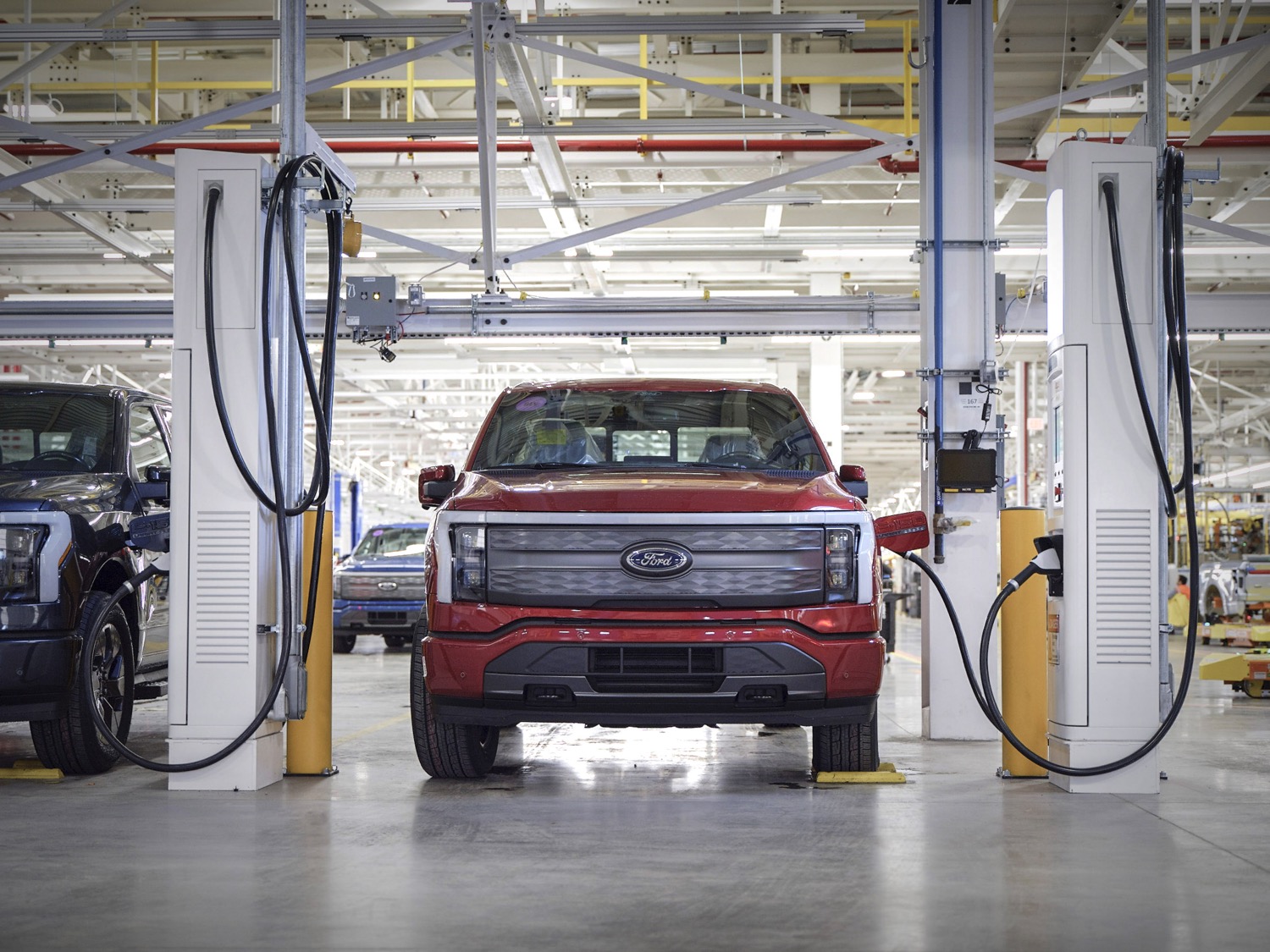
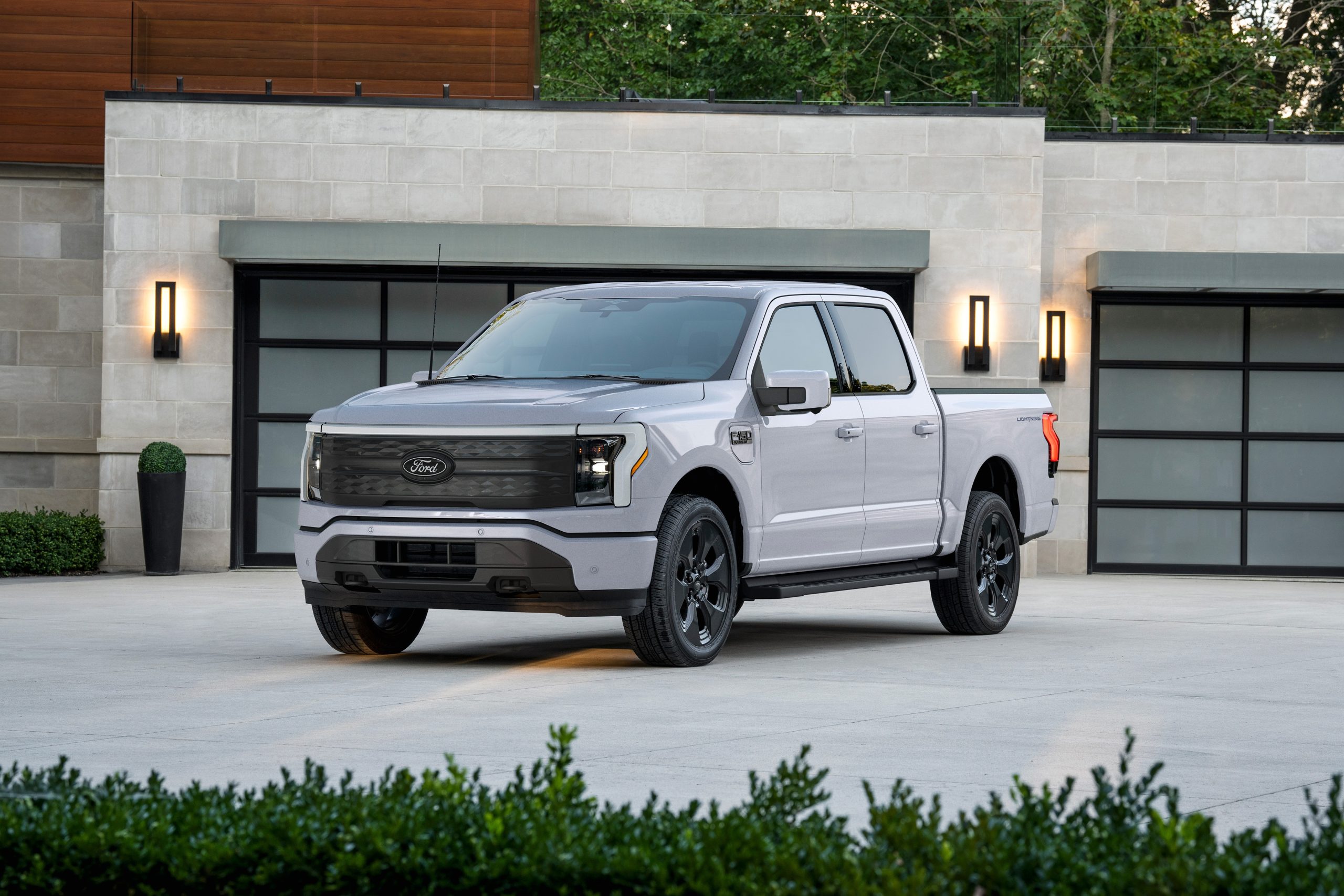
In a seismic shift for the American automotive landscape, Ford Motor Company officially announced this month that it has ended production of the all-electric F-150 Lightning. The move marks a definitive end to the first chapter of Ford’s electric truck ambitions, as the company pivots away from pure battery-electric power for its flagship pickup in favor of a hybrid-focused future.
The road to the Lightning’s retirement began in earnest in late 2024. In November of that year, Ford initiated what was intended to be a seven-week production halt at its Rouge Electric Vehicle Center. At the time, the company cited “slower-than-expected demand” and the need to optimize profitability.
However, a series of external shocks throughout 2025 accelerated the truck’s demise. A major fire at a critical aluminum supplier, Novelis, forced Ford to prioritize its limited materials for more profitable gas and hybrid F-150 models. By the time the supply chain began to recover in December 2025, Ford executives confirmed that the assembly lines for the current Lightning would not restart.
Why the Lightning Struck Out
While the Lightning was initially met with massive fanfare and a $40,000 starting price, the business case eventually eroded. Key factors in the cancellation include:
- Financial Losses: Ford’s “Model e” EV division reportedly faced billions in losses, with some estimates suggesting the company lost tens of thousands of dollars on every electric truck sold.
- Regulatory Shifts: The rolling back of federal EV tax credits and the loosening of emissions standards reduced the financial incentives for Ford to maintain an unprofitable EV line.
- Consumer Friction: Real-world challenges, particularly regarding towing range and cold-weather performance, led to a cooling of consumer enthusiasm.
What Comes Next?
While the current all-electric Lightning is “dead,” the nameplate is expected to return in a radically different form. Ford has announced it will shift toward Extended-Range Electric Vehicle (EREV) technology.
Unlike a pure EV, the next-generation Lightning will feature an onboard gasoline engine that acts strictly as a generator to charge the battery while driving. This “series hybrid” setup aims to deliver the instant torque of an electric motor while offering a range of over 700 miles, effectively eliminating range anxiety for truck owners who tow heavy loads.
The workers at the Rouge facility have largely been redeployed to support the production of gas-powered and hybrid trucks, which continue to see record demand. Ford’s new “Universal EV Platform” for smaller, more affordable electric vehicles is still in development, with a mid-size electric pickup expected to debut in 2027.
For now, the era of the full-size, battery-only Ford truck has come to a close, replaced by a strategy that bets on the internal combustion engine to save the electric dream.