

By: Jag Dhatt
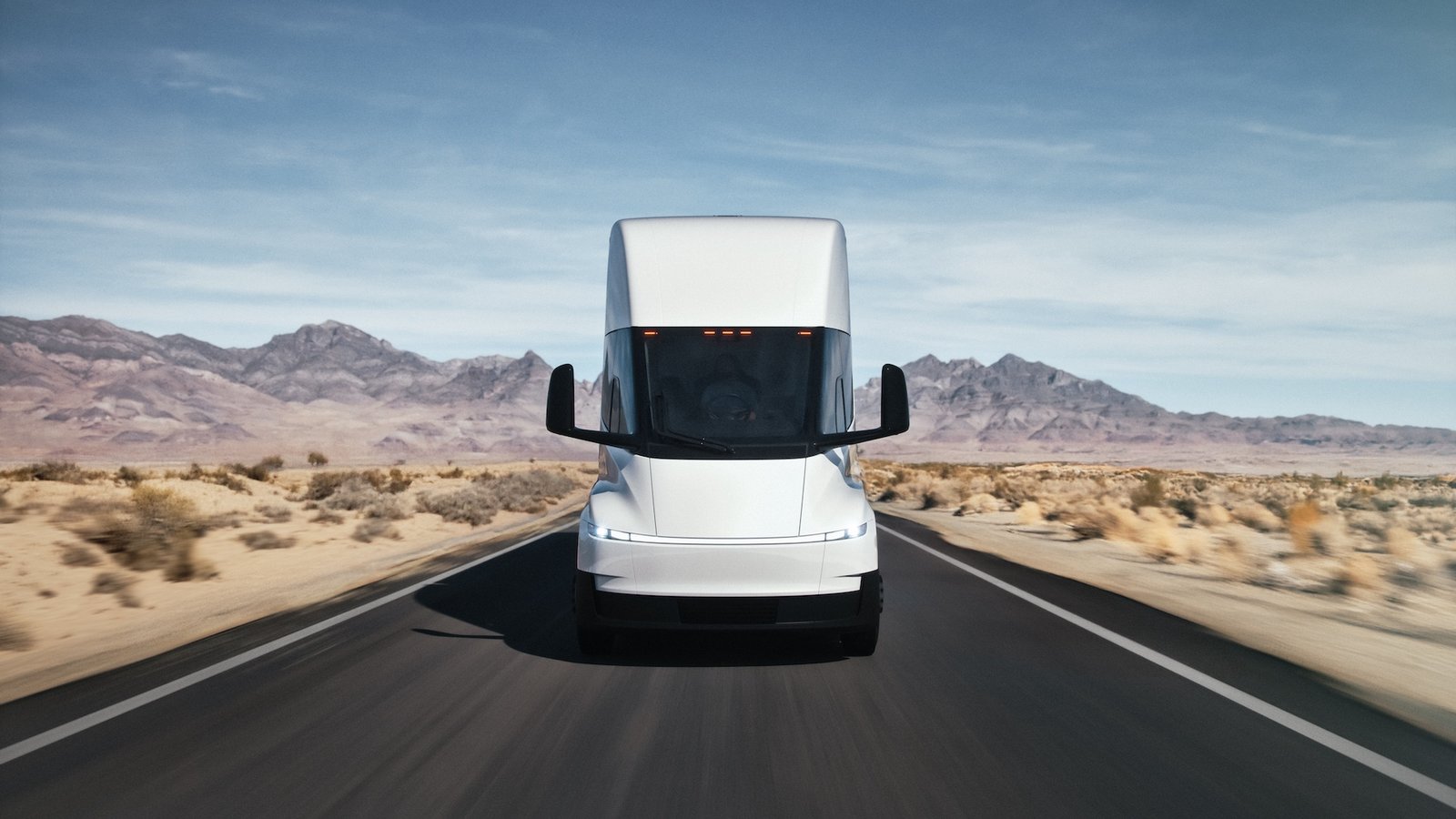
Tesla has officially entered a new chapter in its decade-long pursuit of electrifying heavy transport. On April 29, 2026, the company confirmed that the first Tesla Semi has rolled off its state-of-the-art, high-volume production line at the dedicated 1.7-million-square-foot facility adjacent to Gigafactory Nevada. This milestone signals the end of the truck’s “pilot phase” and the beginning of a push to capture nearly 20% of the North American Class 8 market.
The Semi’s path to the production line has been famously arduous. Since its dramatic 2017 unveiling, the program was repeatedly sidelined as Tesla prioritized high-volume passenger vehicles like the Model Y. While early “hand-built” units were delivered to PepsiCo in late 2022, those vehicles were essentially rolling laboratories.
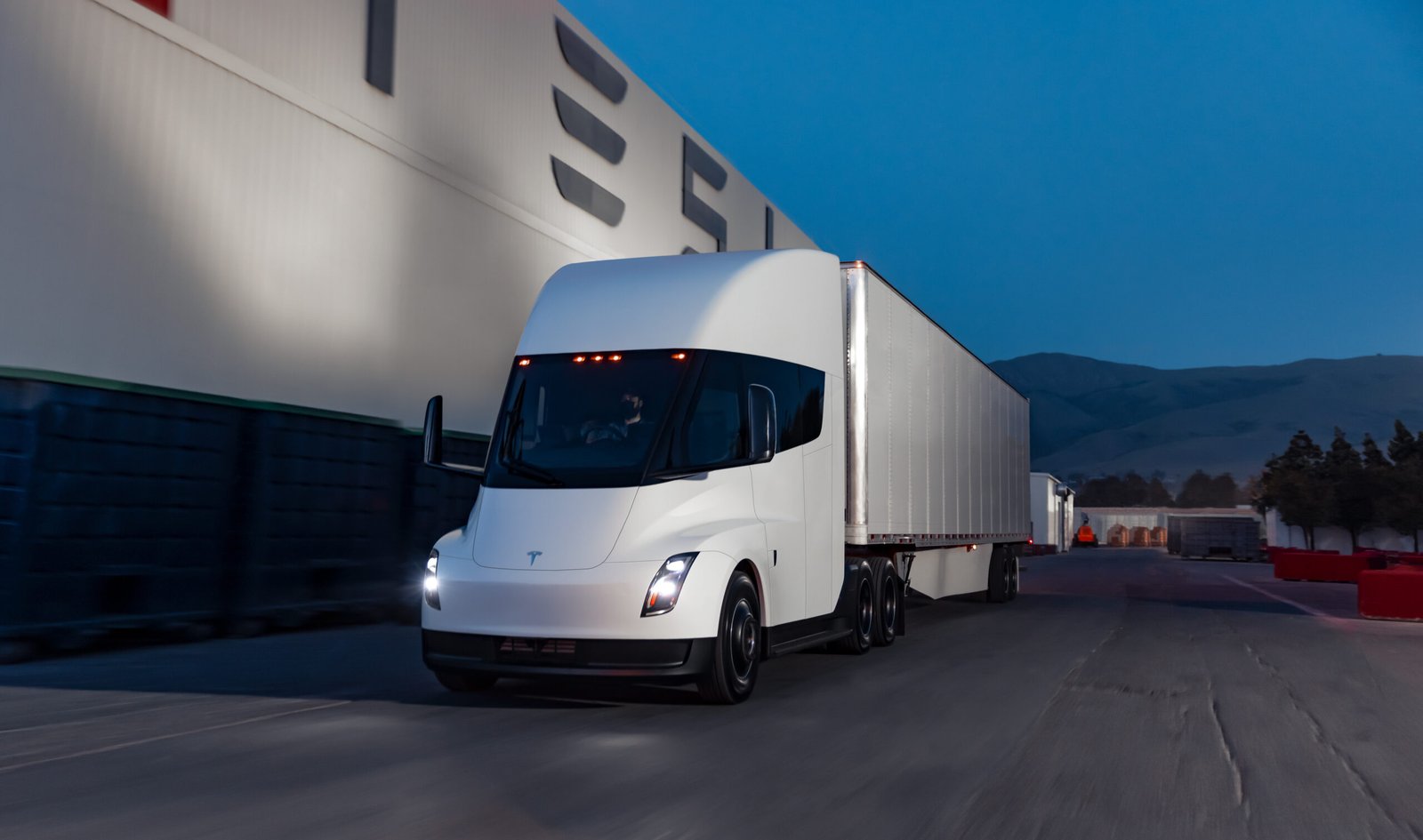
The 2026 production version is a fundamentally different machine. Engineers have stripped approximately 1,000 lbs from the chassis by migrating to a 48-volt low-voltage architecture—a technology inherited from the Cybertruck—which significantly reduces the weight and complexity of the wiring harnesses. Additionally, the adoption of the 4680-battery cell format has allowed for a structural battery pack that increases rigidity while lowering the overall center of gravity.
Breaking Down the Specs: Efficiency and Power
Tesla is launching two distinct trims designed to address both regional distribution and long-haul logistics:
- Standard Range: 325 miles per charge | ~$260,000USD
- Long Range: 500 miles per charge | ~$290,000USD
What sets the Semi apart from its competitors is its extreme energy efficiency. Real-world fleet data from partners like ArcBest and DHL show the Semi consuming between 1.55 and 1.7 kWh per mile at a full 82,000-lb gross combination weight. For context, a traditional diesel truck consumes the energy equivalent of roughly 5.5 kWh per mile.
Powering this efficiency is an 800-kW tri-motor drivetrain producing a staggering 1,072 horsepower. Unlike traditional diesel rigs that struggle on steep inclines, the Semi can maintain highway speeds even at a 6% grade, providing a significant safety and throughput advantage for mountain-corridor logistics.
Charging Infrastructure and the 1.2-MW Revolution
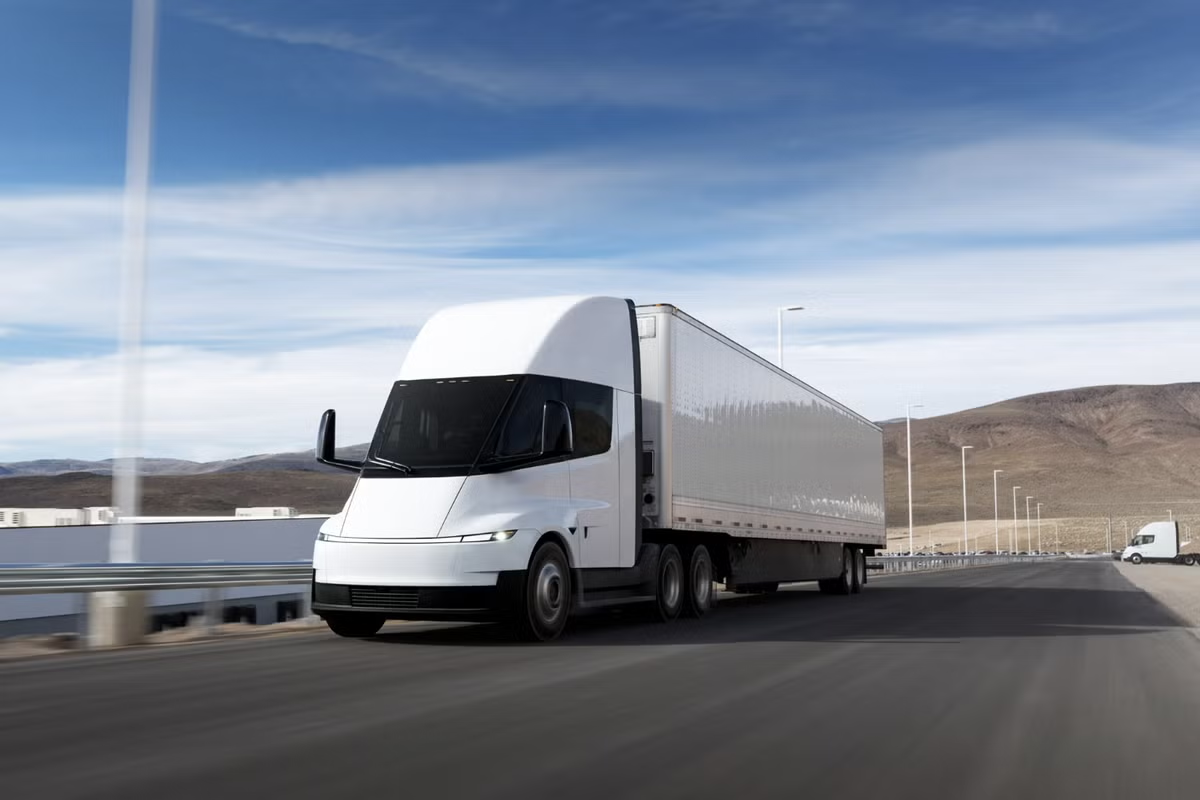
One of the primary hurdles for electric trucking has been downtime. Tesla is addressing this with the Megawatt Charging System (MCS). The Semi supports charging speeds of up to 1.2 MW, allowing the truck to recover 60% to 70% of its range in just 30 minutes.
This window is strategically designed to align with federally mandated 30-minute rest breaks for drivers. Tesla is already expanding its “Megacharger” network across major freight corridors, including a recent partnership with Pilot Travel Centers to install dedicated stalls at key truck stops across the United States.
The Economic Disruptor: TCO vs. Diesel
While the upfront cost of the Tesla Semi is higher than a standard diesel tractor (which typically retails for $150,000 to $180,000), the Total Cost of Ownership (TCO) paints a different picture.
- Energy Savings: At roughly $0.31 per mile for electricity versus $0.67 for diesel, high-mileage fleets can save over $70,000 annually in fuel alone.
- Maintenance: With no diesel aftertreatment systems, no multi-speed transmissions, and regenerative braking that preserves traditional brake pads, maintenance costs are projected to be 40% lower.

The 2026 Outlook
The new Nevada facility is designed for an ultimate capacity of 50,000 units per year. While analysts expect a gradual ramp-up—projecting between 5,000 and 15,000 deliveries for the remainder of 2026—demand remains high. Recent orders include a massive 370-unit commitment from major logistics providers and a 60-truck order for California port drayage.
As Tesla scales “the machine that builds the machine,” the sight of a silver, silent Class 8 tractor on the I-80 is about to go from a rare sighting to an industry standard.