

By: JGK Staff
In the high-stakes world of long-haul logistics, the difference between a profitable delivery and a catastrophic roadside failure often rests on a few pounds per square inch. As fuel prices remain volatile and safety regulations tighten in 2026, industry experts are highlighting a fundamental but frequently overlooked factor in fleet management: proper tire inflation.
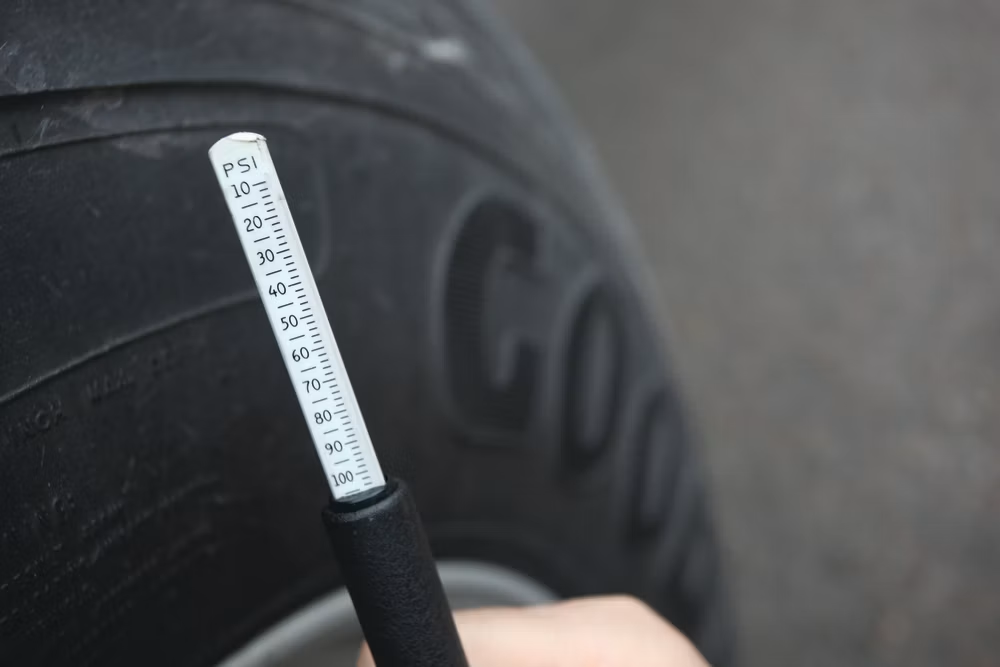
Maintaining the correct tire pressure is the most direct way to optimize fuel economy. When a heavy truck’s tires are underinflated, the “rolling resistance” increases significantly. Essentially, the engine has to work harder to move the same load, leading to a measurable spike in fuel consumption. Industry data suggests that even a 10% drop in pressure can result in a 1.5% decrease in miles per gallon. For a fleet operating dozens of rigs across the continent, those fractions of a percent translate into thousands of dollars in lost revenue every month.
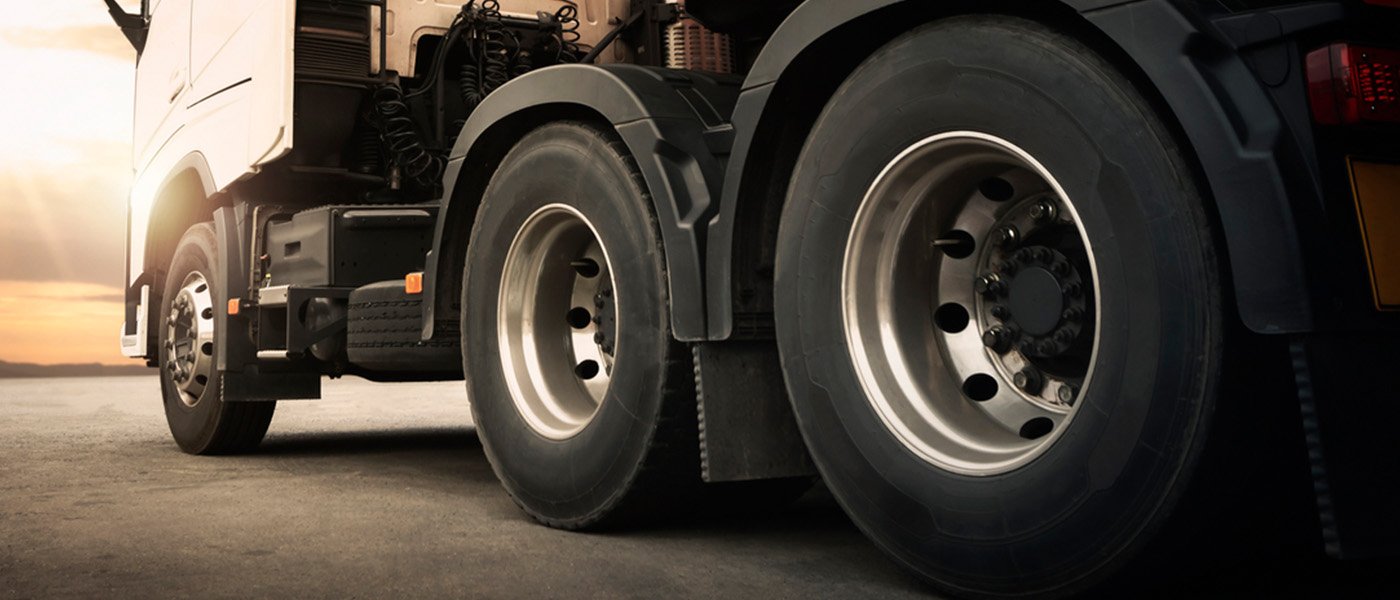
Beyond the balance sheet, the safety implications are paramount. Underinflated tires generate excessive heat due to the increased flexing of the sidewalls. This heat is the primary catalyst for tread separation and blowouts, which can lead to a complete loss of vehicle control. In a rig weighing upwards of 80,000 pounds, a sudden blowout isn’t just a mechanical failure; it is a major public safety hazard that can cause multi-vehicle accidents and prolonged highway closures.
The integrity of the cargo—the “load”—is also at risk. Properly inflated tires provide the stable footprint necessary for balanced weight distribution. Under-inflation causes uneven contact with the road, leading to excessive vibration and “bouncing” that can shift or damage fragile freight. Furthermore, correct pressure ensures the rig responds predictably during emergency braking and sharp maneuvers, keeping the driver and the shipment secure.
Modern solutions, such as Automatic Tire Inflation Systems (ATIS) and real-time telematics, are becoming standard for the industry. However, experts agree that technology is no substitute for regular manual inspections. “A pre-trip check is the cheapest insurance policy a driver can have,” says Marcus Thorne, a veteran safety consultant. “It’s not just about saving rubber; it’s about ensuring everyone on the road makes it home.”