


By: Michael Howe
While 2025 was a bit of a disappointing year for the trucking industry, it certainly wasn’t the first – just the most recent. The industry has faced difficult times ever since COVID, and fully rebounding has been challenging to say the least. The last quarter of 2025 showed signs of improvement though, so as 2026 begins there is cautious optimism that the industry may be stabilizing. It’s also possible that the industry is just adapting to the new normal, and in many ways, that itself brings some cautious optimism.
Where have the challenges been for the trucking industry? Honestly, they have been around every corner and then some. Supply chain disruptions, fuel and parts inflation, environmental regulations, labor constraints, COVID related effects, tariffs, freight rates, and general political uncertainty have all proven to be dynamic forces that together or individually have challenged the trucking industry. Yet, it’s 2026 now and the industry is ready to do what it does best – adapt and persevere.
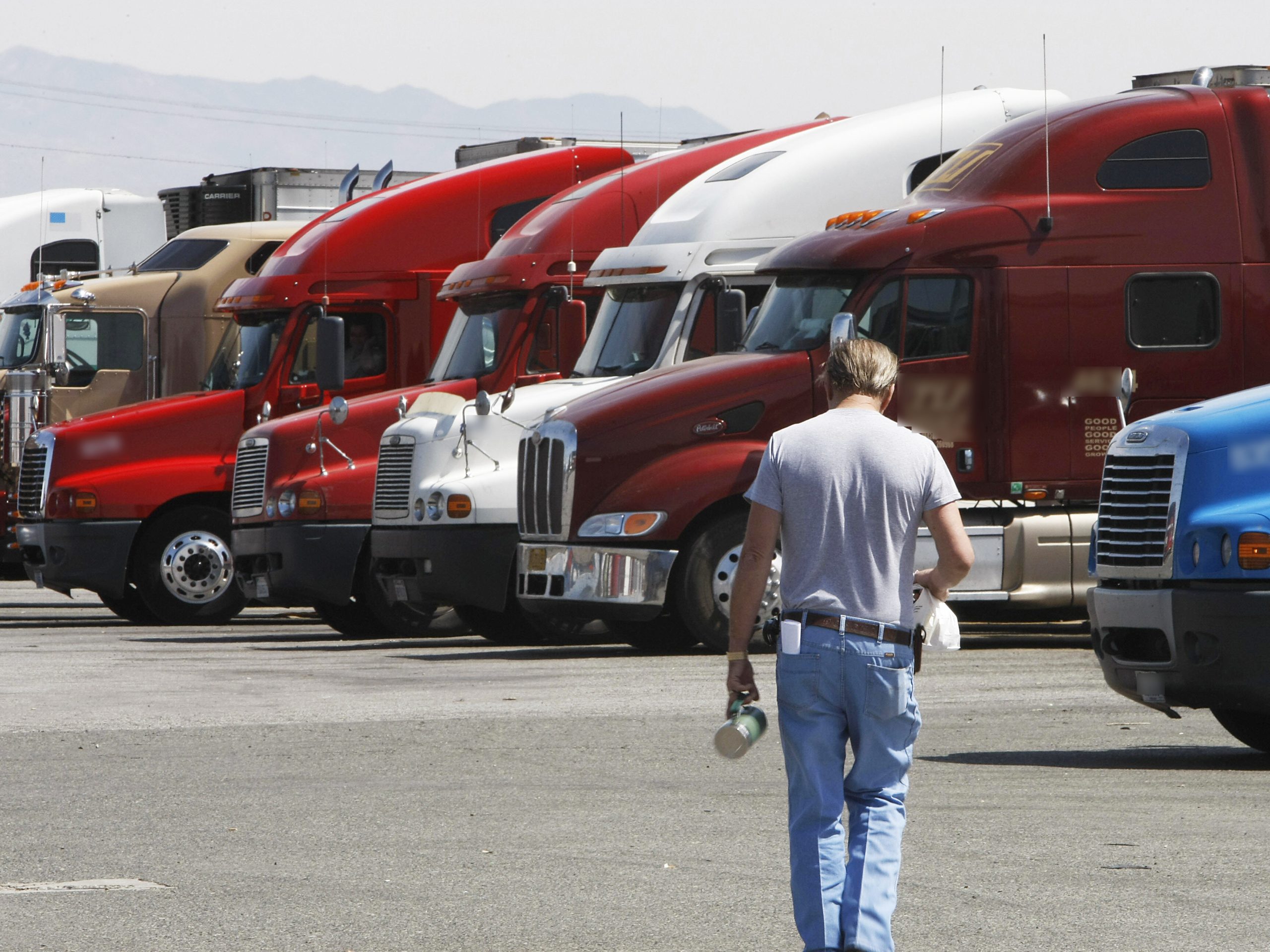
One area of continued challenge will the driver shortage. With retention pay and working conditions unlikely to improve, this situation could become even worse. The other workforce related challenge is turnover, and that is expected to remain high. Regardless of how the industry fares as a whole in 2026, this persistent problem will take its toll for years to come.
Inflation and freight rates will also continue to be a challenge in 2026. Fuel, insurance, maintenance, equipment costs will need freight rates to keep pace, or these costs will take a toll. Of course, larger carriers with a larger market reach can mitigate some of these challenges through long term contracts and quantity negotiations, but smaller carriers may not be as successful with that approach.
On a positive note, spot rates for truckload freight are expected to increase some in 2026. This should help stabilize that aspect of the industry. It will be interesting to see how rates react to the regulatory environment though. Regulations such as the new heavy‑duty tailpipe emissions standards (EPA), as well as state programs are pushing carriers toward lower emissions, zero‑emission trucks, and in many places electrification or other alternative fuels. In most cases, increased regulations result in increased costs, at least in the short term. So, even if freight rates increase, too many new regulations could mitigate the rate increases.

The trucking industry is highly reliant on the health of the overall North American economy. For 2026, uncertainty seems to be the name of the game for the economy. The overall economic environment, including inflation and trade policies, will play a crucial role in shaping the trucking outlook. Tariff policies, particularly those affecting steel and aluminum, are expected to impact equipment supply and freight markets, potentially delaying broader recovery in the trucking sector. Other economic challenges could come about if global conflict becomes an issue for the US and Canada, and there are certainly some hot spots as we enter 2026.
Back to the original question: After a disappointing 2025, does 2026 look promising for the trucking industry? The simple answer is no and maybe. Cautious optimism with ongoing challenges is a great way to describe what the industry should expect in 2026. There are signs of stabilization and even recovery, there are still regulatory uncertainties and economic pressures left to navigate before a more positive and sustainable future can be achieved.